Training a Dog Might Be One of the Most Valuable Things I've Ever Learned
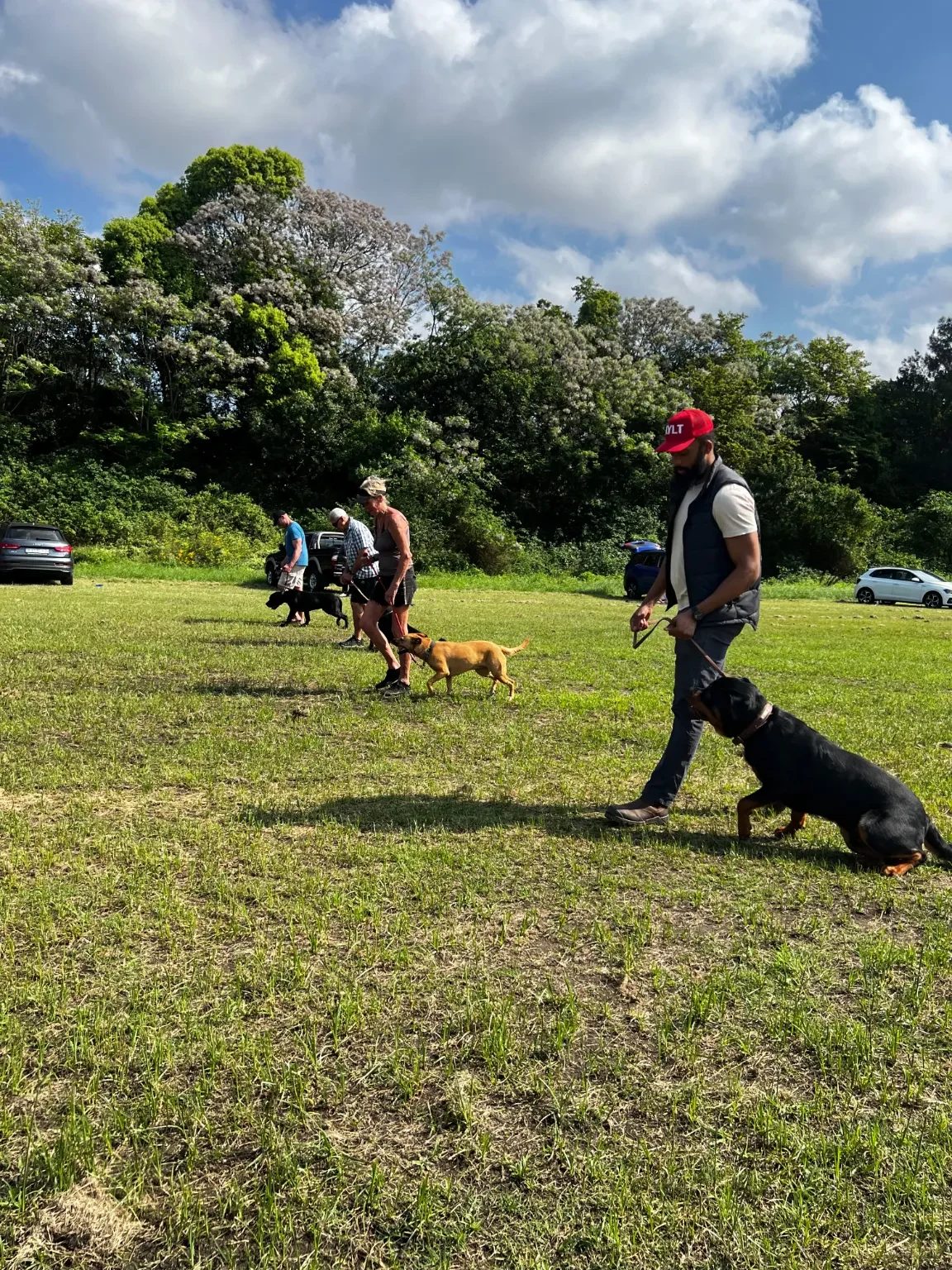
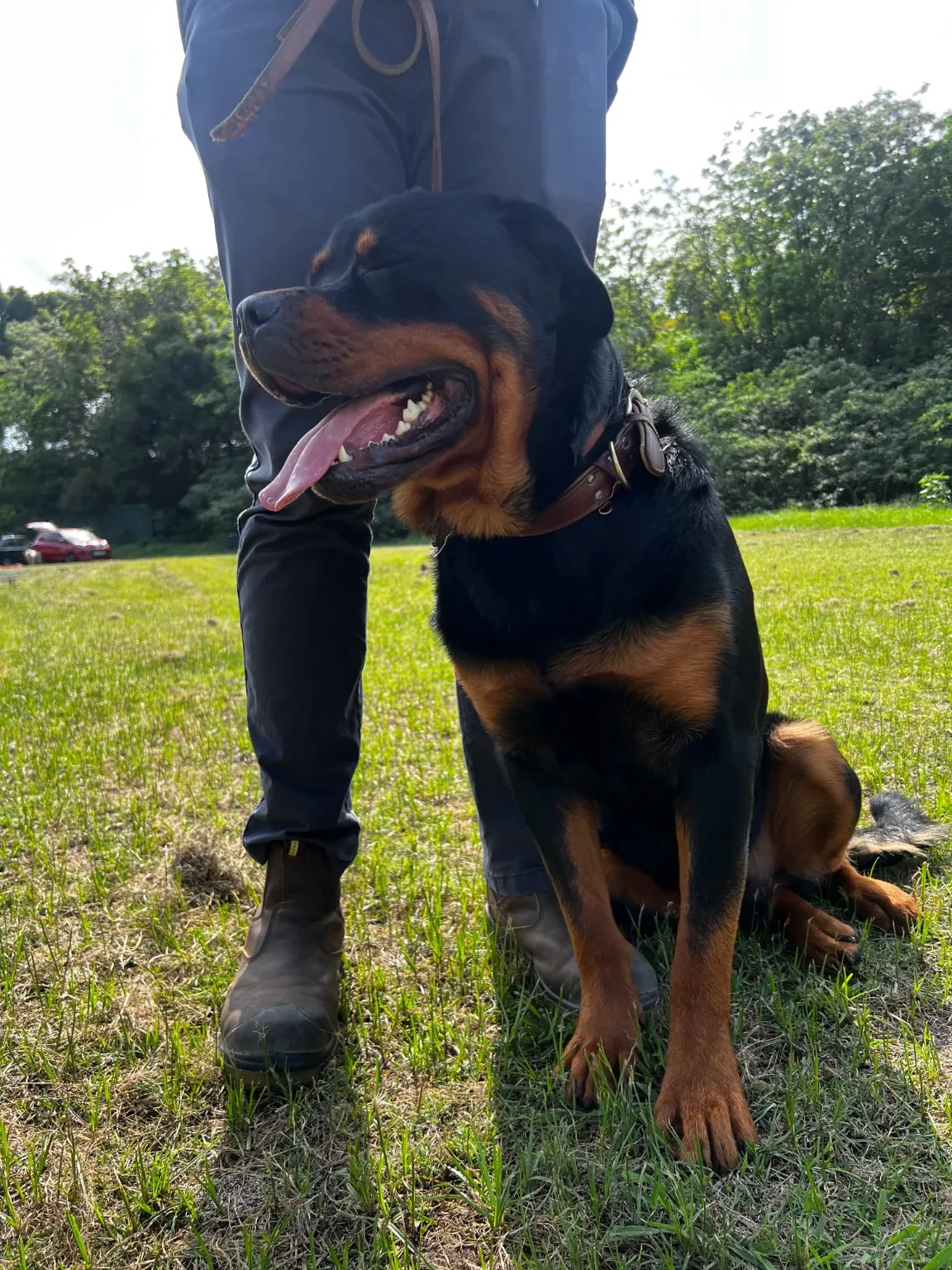
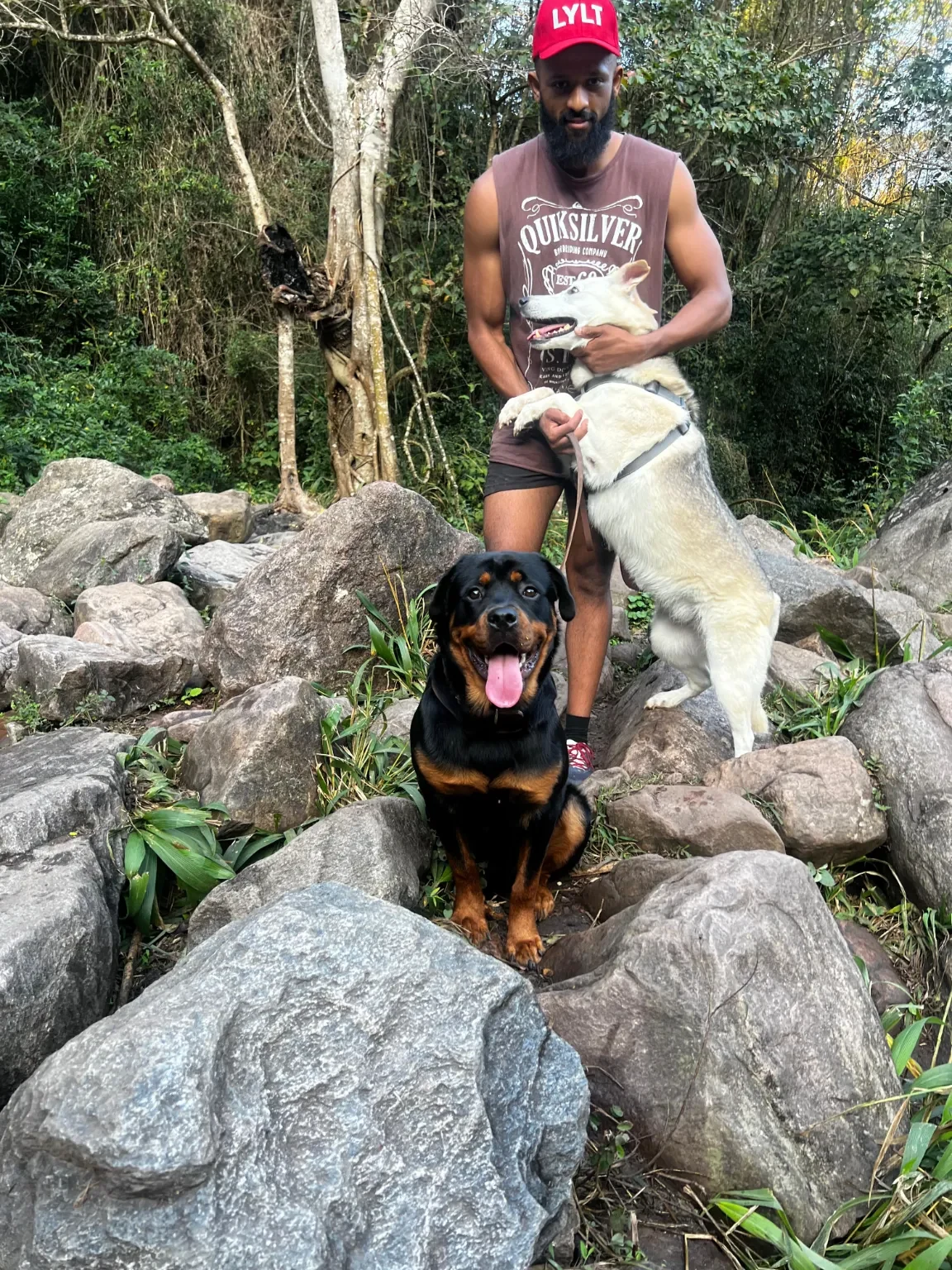
About a year ago, I attended dog school for the first time in my life with a Rottweiler puppy.
I went there to learn how to train my dog. What I didn't expect was how much I would learn about myself, about communication, and about the way people behave.
There is something fascinating about trying to communicate with an animal that doesn't speak your language. You can't reason with a dog the way you would with another person. You cannot sit it down and explain why its behaviour is unacceptable, or why you'd prefer it to do something differently.
You have to learn another way of communicating.
And in doing so, you begin to notice things about your own behaviour that you might not have noticed before.
Over the past year, I've learned about boundaries, consistency, rewards, discipline, trust and the power of incentives.
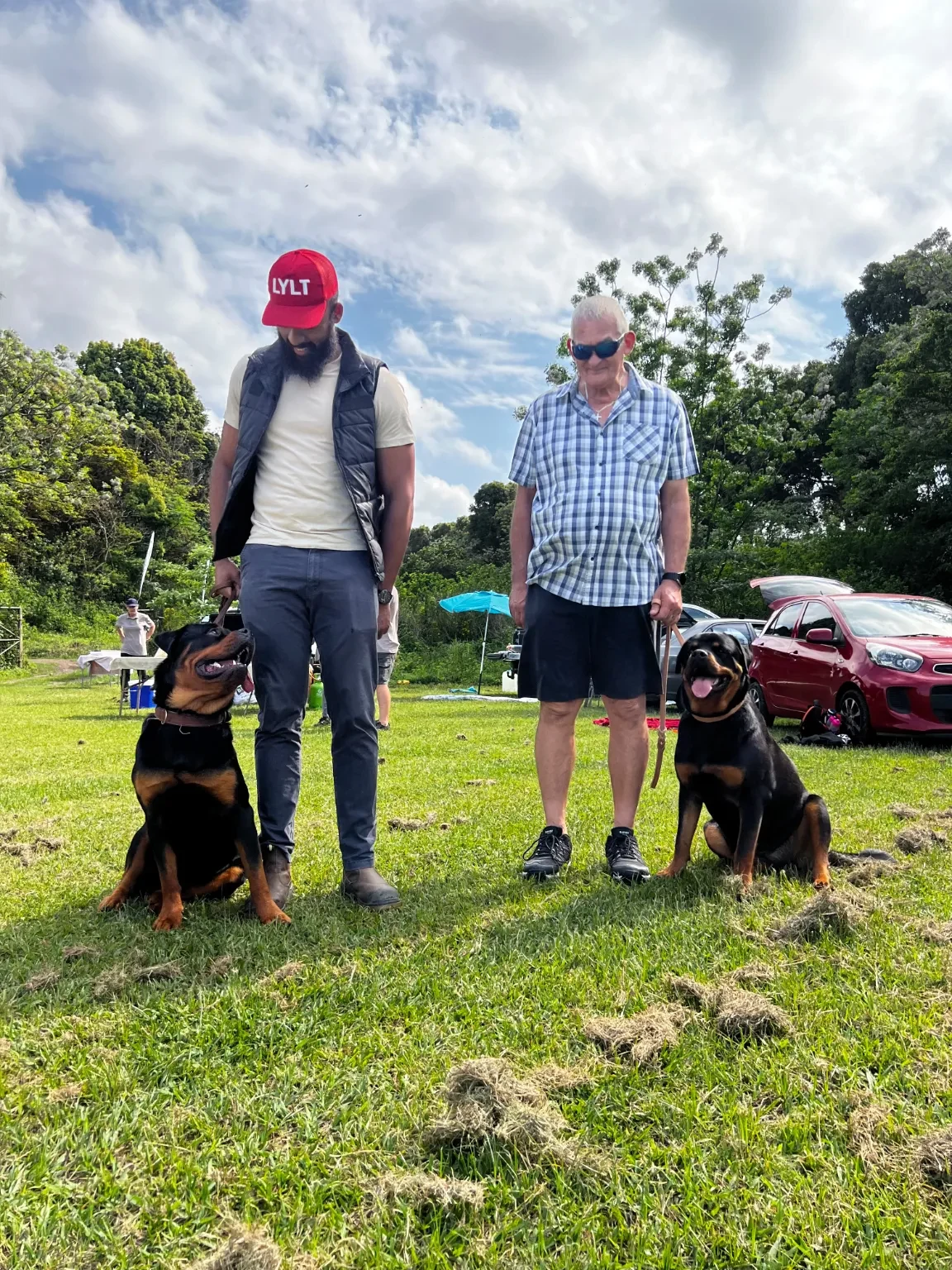
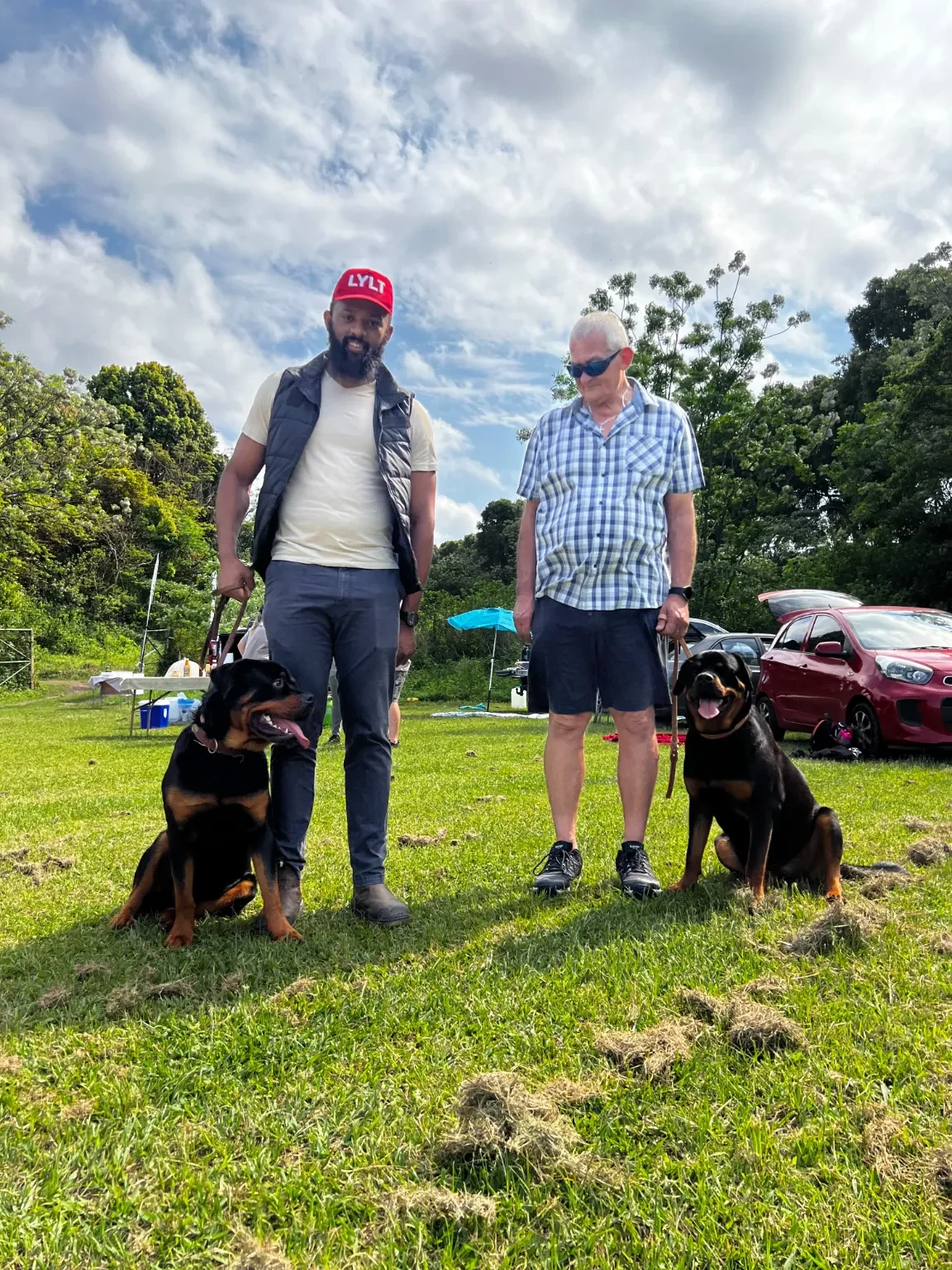
You teach others how to behave around you
One of the most interesting things I've learned at dog school is how easily we can encourage the very behaviour we're trying to correct.
Imagine your dog does something it shouldn't. You raise your voice, give it an instruction, and when it listens, you give it a treat.
You think you're rewarding the dog for listening to you. But what if the dog is learning something entirely different?
It might learn that in order to get a treat, it first needs to misbehave, wait for you to correct it, and then follow your instruction.
You've unintentionally given the dog a reason to misbehave.
This was one of the more counterintuitive lessons I learned from my trainer. I had to learn to separate correcting unwanted behaviour from rewarding good behaviour. The timing of the reward matters, and so does the sequence of events that leads to it.
Another practical example is walking your dog on a lead.
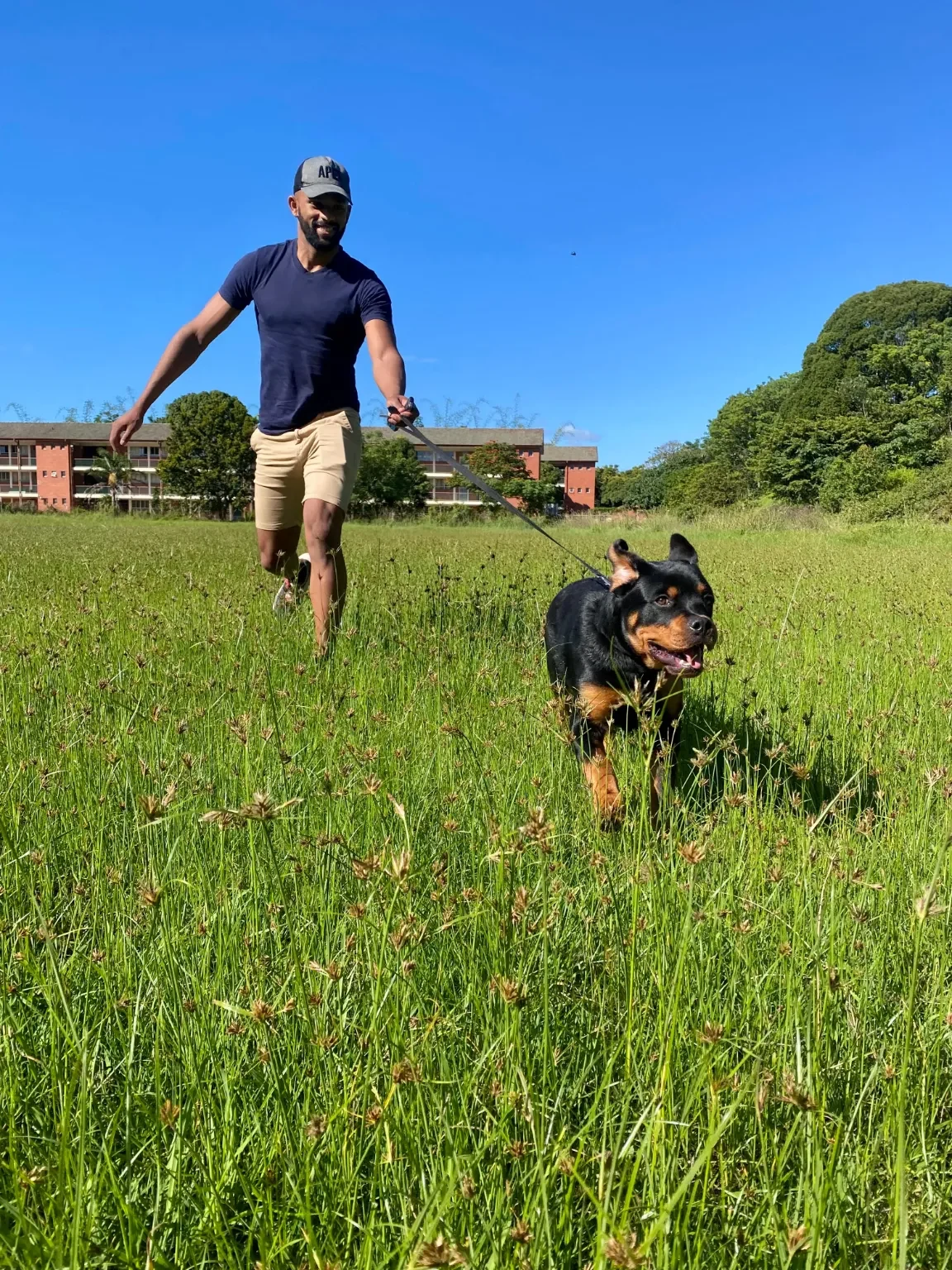
When a dog pulls on the lead, it usually wants to get somewhere. If you continue walking in the direction it's pulling you, you're allowing that behaviour to achieve its purpose. Before you know it, the dog is walking you rather than you walking the dog.
One of the exercises I learned at dog school was to stop walking as soon as the dog started pulling and instruct it to sit.
Every time the dog pulls, the walk is interrupted. The dog gradually learns that pulling on the lead creates friction rather than getting it where it wants to go. Walking alongside you allows the walk to continue.
Something as simple as walking becomes a practical lesson in setting boundaries, communicating expectations and being consistent.
I think there are similarities in the way we interact with people.
Through our responses, we teach people what they can get away with, what we're willing to tolerate and where our boundaries lie.
We can tell someone that we don't appreciate a particular behaviour, but if we repeatedly allow it without addressing it, our actions may be communicating something different from our words.
Of course, people aren't dogs. Human relationships are far more complicated, and we shouldn't approach them as though we're training animals.
But there is something valuable about understanding how our own behaviour contributes to the way others interact with us.
It's one thing to tell someone to set boundaries. It's another thing to understand how boundaries are communicated and maintained in practice.
Dog school has helped me understand that difference.
Communication without a common language
When you're communicating with a dog, you become aware of things you might normally take for granted: your posture, tone of voice, gestures, timing and emotional responses.
You have to learn to read your dog's body language while paying attention to the signals you're giving in return.
There is a difference between what you're trying to say and what is actually understood.
Sometimes, when a dog doesn't understand what you're asking of it, the problem isn't the dog. It's the communication.
I think there is something valuable about applying that same consideration to our interactions with people. How often do we become frustrated because someone hasn't understood us, without asking ourselves whether we explained things clearly in the first place?

The power of incentives
I remember Charlie Munger speaking about the power of incentives and how often we underestimate their influence on human behaviour.
I've understood the idea for some time, but dog school has given me a much more practical understanding of it.
What I find particularly interesting is that you can create an incentive without even realising it. You can encourage behaviour that you don't actually want.
The example of rewarding a dog after correcting its behaviour illustrates this quite well. Your intention might be to reward the dog for listening, but the dog might learn that misbehaving is part of the process of getting a treat.
That is quite a powerful lesson.
People respond to incentives too. We see it in business, in our workplaces, in government and in our personal relationships.
Sometimes there is a difference between the behaviour we say we want and the behaviour we actually reward.
If we want to understand why certain behaviours continue, perhaps we should spend more time looking at what makes those behaviours worthwhile.
What are we rewarding? What are we allowing? And are we unintentionally encouraging the very things we complain about?
These are questions I find myself thinking about more often since attending dog school.
Building a relationship
One of the things I've come to appreciate about dog school is that it isn't just about obedience. It also strengthens the relationship you have with your dog.
There is something rewarding about learning to understand another living creature, even though neither of you speaks the other's language.
Being consistent helps your dog understand what you expect. Training creates opportunities to build confidence, cooperation and trust.
There is a difference between a dog that responds because it is frightened of making a mistake and a dog that willingly works with you because it understands what you're asking of it.
I think that distinction matters.

The person holding the lead
When I first attended dog school, I thought I was going there to learn how to train a dog.
A year later, I find myself reflecting on how much of that education has been about my own behaviour. Learning to communicate more effectively, to be consistent, to pay attention to how others respond to me, and to understand the consequences of my own actions.
I've gained a practical understanding of things I had previously only understood in theory. Boundaries, communication, incentives and the relationship between our actions and the behaviour of others.
Perhaps that is what makes learning to train a dog such a valuable skill.
Dog school isn't only about training the dog. It's also about training the person holding the lead.