Sean Parker Would've Made TikTok, but He Was Four Years Too Early
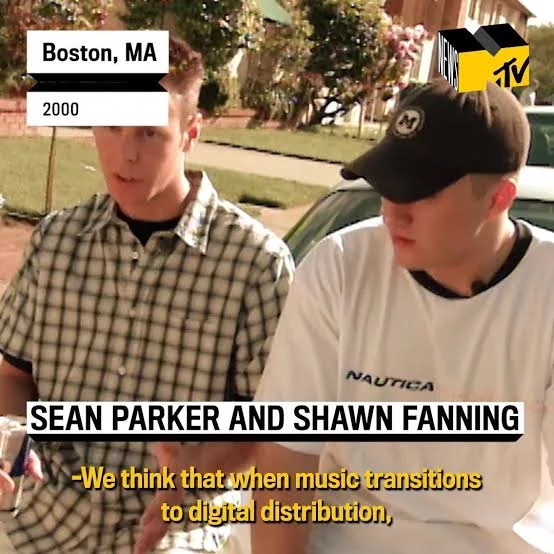
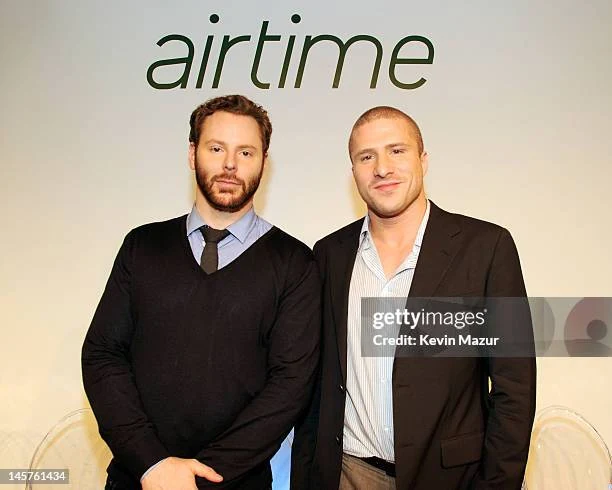
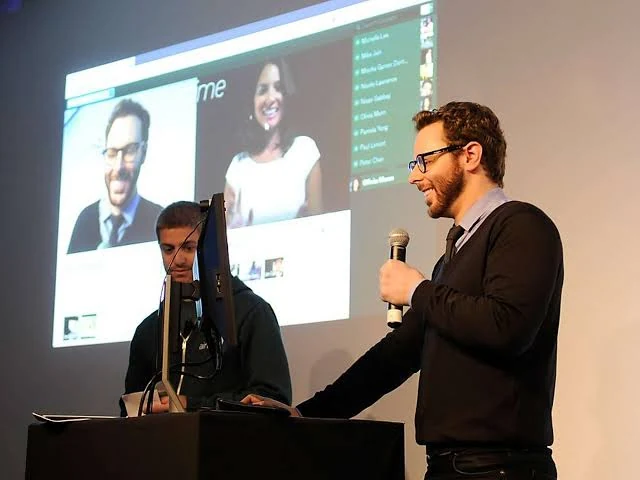
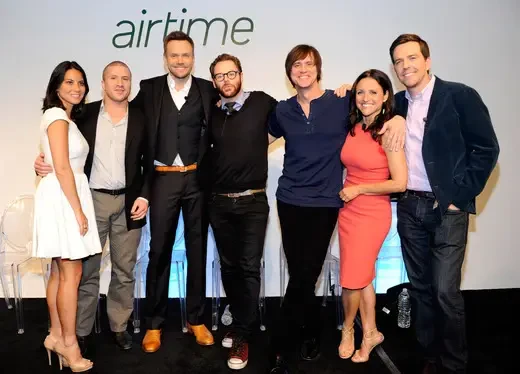
I vividly remember watching videos of Sean Parker in 2012, enthusiastically talking about a company he was building with Shawn Fanning called Airtime.
Here were two people who had already fundamentally changed how the world consumed music through Napster, attempting to do something equally ambitious with video and social interaction.
I was fascinated by what they were building and excited to follow their progress.
Fourteen years later, I don't think I know a single person who used Airtime. I suspect most people aren't even aware of its existence.
And yet, I think there's a remarkable story here that deserves to be remembered.
From Napster to Airtime
What made Napster so remarkable was that it understood a fundamental consumer need that the established music industry had not adequately addressed.
People wanted access to music. They wanted to discover artists, find individual songs and listen to what they wanted without necessarily having to purchase an entire album.
Napster made it possible to search for and download music with little more than a few clicks.
Although its approach to music distribution brought it into conflict with copyright law and the recording industry, the underlying consumer demand did not disappear when the original service was shut down.
Years later, platforms like Spotify would build commercially viable, licensed streaming services around much of that same consumer desire: immediate and convenient access to an enormous catalogue of music.
Parker and Fanning had recognised something fundamental about consumer behaviour.
And in 2012, they were attempting to do something similarly ambitious with video.
Observing the Future
On June 5, 2012, Parker and Fanning launched Airtime, a social video platform designed to connect people through conversations, shared interests and experiences.
They had raised tens of millions of dollars and attracted considerable attention. Their ambition was to make the internet feel spontaneous again, allowing people to discover one another through video.
There is something quite brilliant about observing patterns in human behaviour, identifying an emerging technological need and having the conviction to build something around it.
It requires a degree of imagination to contemplate what doesn't yet exist and the ingenuity to bring it into existence.
Four years later, in 2016, ByteDance launched Douyin, the Chinese predecessor to TikTok. By 2018, TikTok had merged with Musical.ly and was on its way to becoming a global phenomenon.
Of course, Airtime wasn't TikTok. One was centred on live conversations and shared experiences, while the other would become enormously successful through short-form video and algorithmic discovery.
But both recognized something fundamental about the direction of the internet: video was becoming a language of human interaction.
Parker and Fanning saw an opportunity. What they didn't necessarily understand was how people would eventually want to participate in it.
Perhaps they were too early. Perhaps they misunderstood the market. Perhaps they simply built the wrong product around the right observation.
The distinction is worth contemplating.
The Stories We Forget
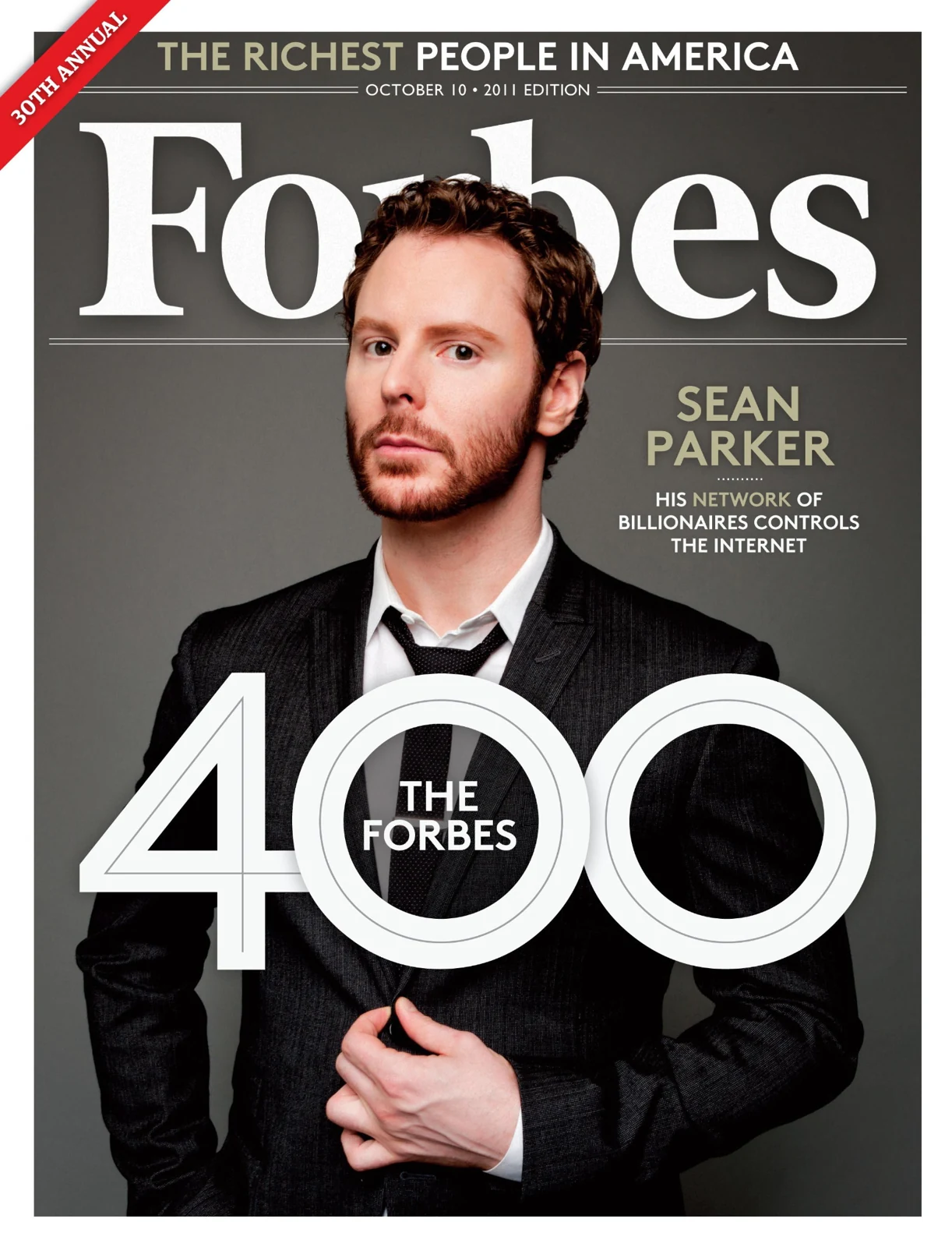
We have a peculiar habit of celebrating successful ventures while forgetting the ambitious endeavours that didn't quite work out.
We remember the companies, their founders, their acquisitions and the extraordinary fortunes they accumulated.
But what about the thousands of people who spent years building something that never found an audience?
Airtime is particularly interesting because its founders were experienced entrepreneurs. They had access to capital, talented engineers, influential relationships and considerable publicity.
And it still didn't work as they had hoped.
In 2016, Parker relaunched Airtime, acknowledging shortcomings in the original product, its readiness and its market fit.
There is something valuable about examining these stories. Experience, intelligence and financial resources cannot eliminate uncertainty. Recognizing an opportunity doesn't necessarily mean you've understood how to pursue it.
I often wonder how many forgotten ventures contain lessons that would be enormously valuable to the people building things today.
The Great Fortune of Being Wrong
I've had the great fortune of working on dozens of projects that didn't pan out the way I expected them to.
I deliberately describe it as a great fortune because, although I would have preferred for some of those projects to succeed, I am immensely grateful for what I learned along the way.
I'm grateful for the skills I've accumulated, the problems I've had to reason through and the things I've learned to build.
Above all, I'm grateful for the occasions on which I discovered why I was wrong about something.
There is something profoundly human about the endeavour of building something great. You begin with an observation, develop an idea and devote a portion of your life to bringing something into existence that might otherwise never have existed.
Sometimes it works. Often it doesn't.
But if you're sufficiently curious and intellectually honest, the experience can fundamentally change what you're capable of doing next.
This is not to romanticise failure. There is nothing inherently virtuous about failing, particularly if we refuse to understand why we failed.
Rather, it is to appreciate the opportunity to discover something about the world that we previously misunderstood.
I don't know whether Sean Parker and Shawn Fanning could ever have built what TikTok eventually became. But I am grateful that people like them have the ambition and conviction to pursue such ideas.
We ought to remember these stories, study their shortcomings and carry their lessons into our own endeavours.
And in our enthusiasm for the things we believe in and the things we aspire to build, we must be careful not to fool ourselves.
As Richard Feynman reminded us:
“The first principle is that you must not fool yourself, and you are the easiest person to fool.”