Project Planning As A CLO
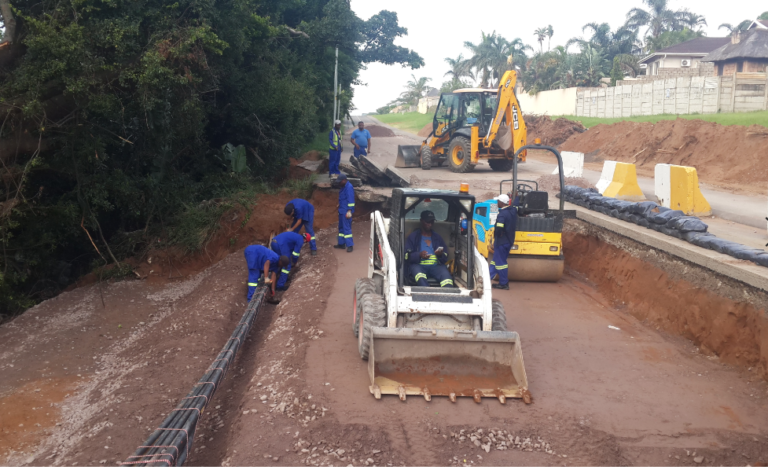
Mastering Project Planning as a Community Liaison Officer: A Comprehensive Guide
As a Community Liaison Officer (CLO), effective project planning is the cornerstone of your role. From initiating public participation to breaking ground and overseeing ongoing developments, your actions significantly influence both the project’s success and the community’s well-being. This guide delves deeper into practical steps you can implement to enhance your project planning skills, ensuring positive outcomes for all stakeholders in the South African context.
1. Begin with Active Public Participation
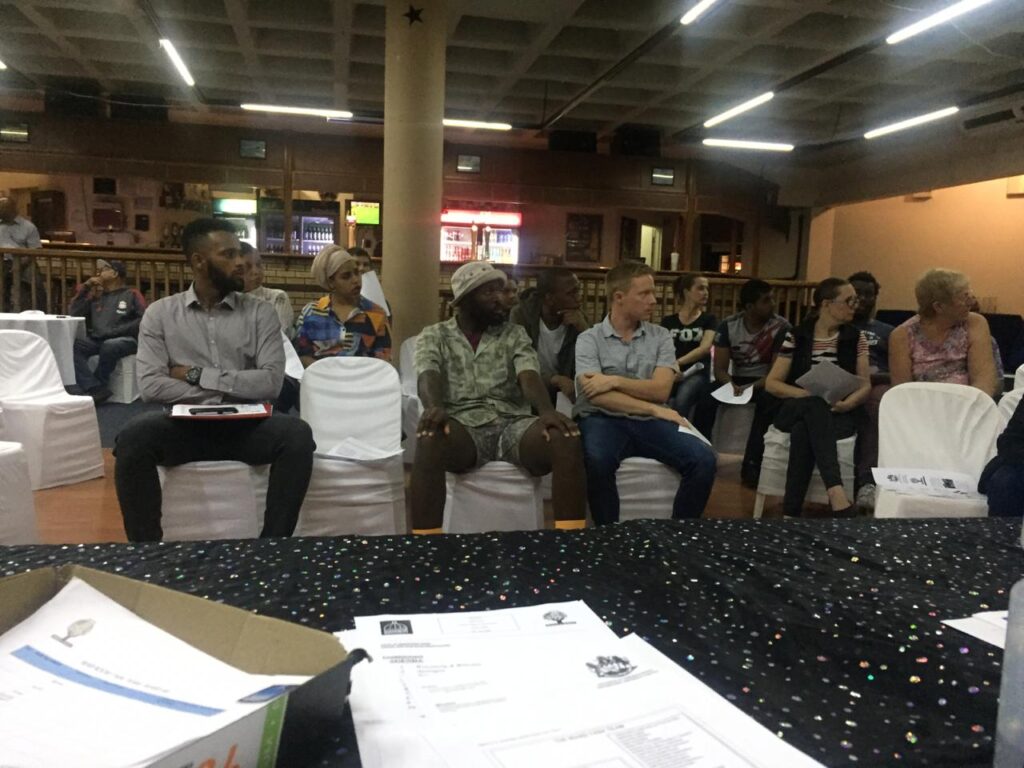
Engage the community from the outset. Early involvement fosters trust, minimizes resistance, and encourages a sense of ownership among residents.
Detailed Actions:
- Host Community Forums: Organize meetings in accessible venues where residents can learn about upcoming projects and voice their opinions.
- Conduct Surveys: Use both online and paper surveys to gather a broad range of feedback.
- Create Focus Groups: Engage with specific demographic groups (e.g., youth, seniors) to understand diverse perspectives.
Key Action: Schedule a community meeting within the next two weeks to introduce upcoming projects and invite feedback.
2. Maintain an Up-to-Date Local Labor Database
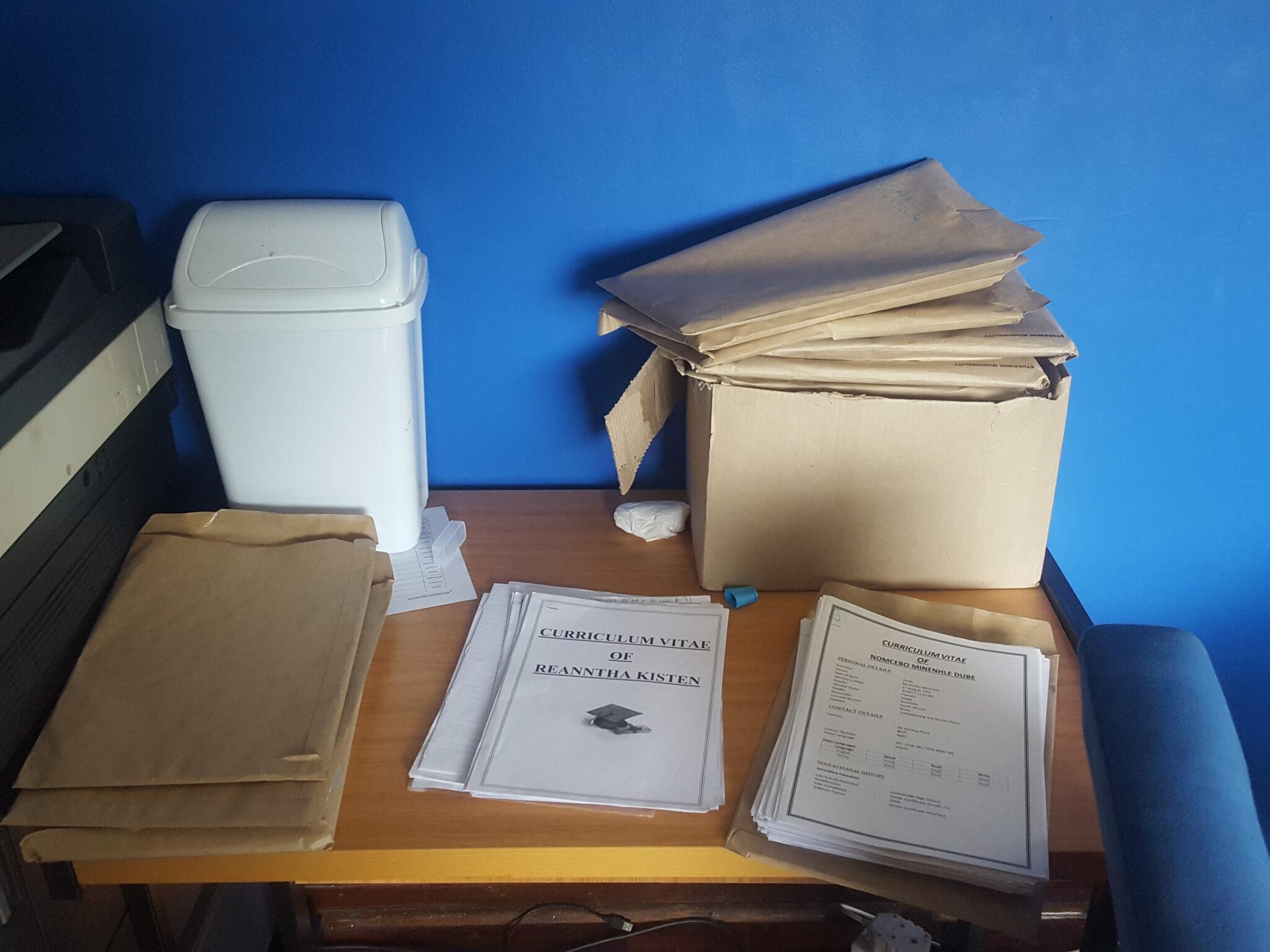
An updated database of local labor and job seekers ensures that employment opportunities benefit the community directly, boosting the local economy and fostering goodwill.
Detailed Actions:
- Collaborate with Local Job Centers: Partner with employment agencies and vocational schools to keep track of skilled and unskilled labor availability.
- Engage Community Groups: Work with local NGOs and community leaders to identify job seekers.
- Update Regularly: Set a schedule (e.g., monthly) to refresh the database, adding new entries and removing outdated ones.
Key Action: Establish a quarterly meeting with local job centers and community groups to update your labor database.
3. Cultivate Relationships with Municipal Officials

Strong ties with municipal officials streamline project approvals and facilitate efficient problem-solving. In South Africa, these officials include those in charge of:
- Roads and Stormwater: Oversee infrastructure related to roadways and drainage systems.
- Electricity: Manage power supply, distribution, and maintenance.
- Water and Sanitation: Handle water provision and waste management services.
- Parks Department: Responsible for public green spaces, recreation areas, and environmental conservation.
- Housing and Urban Development: Focus on residential planning and development projects.
Detailed Actions:
- Identify Key Contacts: Create a list of officials in each department relevant to your projects.
- Regular Check-Ins: Schedule meetings or calls to keep them informed and address any concerns.
- Invite Participation: Encourage officials to attend community meetings to provide direct input.
Key Action: Set up bi-monthly meetings with officials from key departments like Roads and Storm-water, Electricity, and Water and Sanitation.
4. Preempt Risks and Conflicts
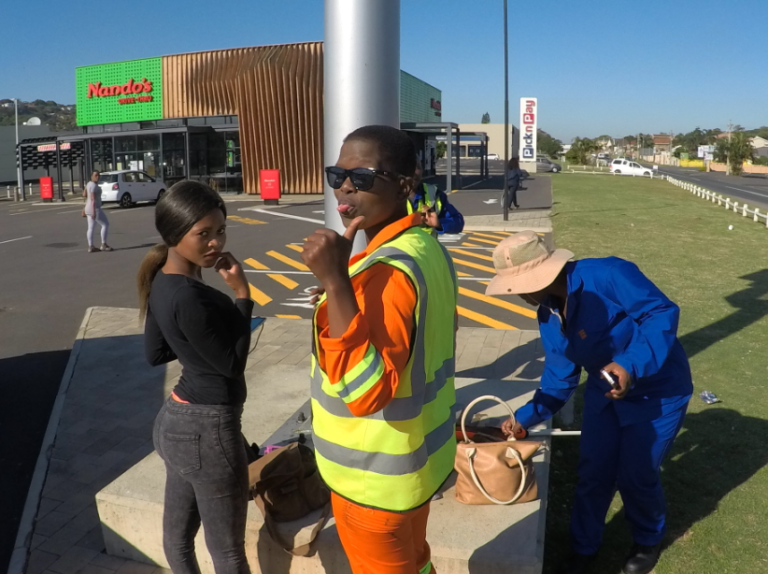
Identifying potential risks and conflicts before they escalate allows for effective contingency planning and minimizes disruptions.
Detailed Actions:
- Conduct Risk Assessments: Evaluate project plans to identify areas of potential conflict, such as environmental impact or displacement issues.
- Develop Mitigation Strategies: For each identified risk, outline steps to reduce its impact.
- Engage Legal Advisors: Consult with legal experts to ensure compliance with regulations and to prepare for possible disputes.
Key Action: Organize a risk assessment workshop with your team and relevant experts to outline possible challenges and solutions.
5. Address Community Concerns Head-On
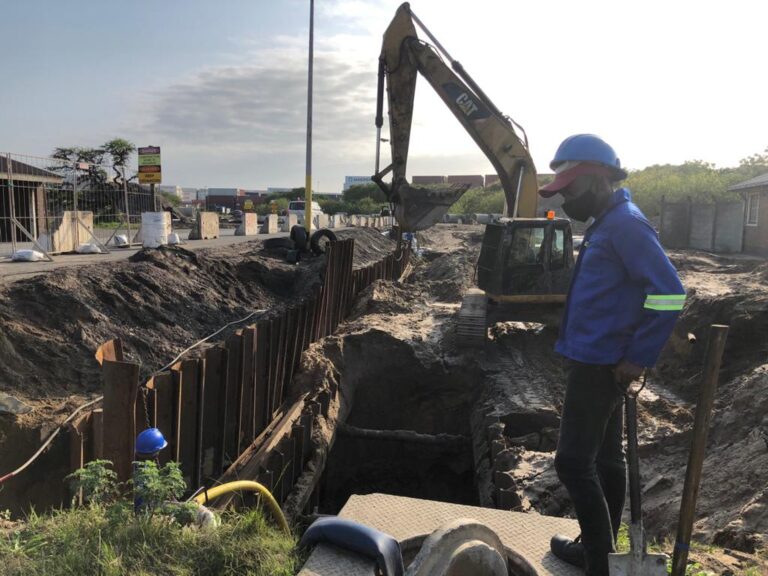
Common worries include increased traffic, noise pollution, environmental impact, and alterations to daily routines. Openly acknowledging these issues and offering practical solutions is crucial.
Detailed Actions:
- Construction Activities: Inform residents about regular construction activities like stockpiling building materials and waste management plans. Explain how these activities will be conducted safely and with minimal disruption.
- Environmental Concerns: Address issues related to environmental protection, such as safeguarding local wildlife, preventing pollution, and managing waste responsibly.
- Permissions and Compliance: Ensure that all construction activities have the necessary permissions from authorities like the Environmental Management Department and adhere to South African regulations.
- Traffic Management Plans: Work with the Roads Department to develop strategies that minimize congestion, such as alternative routes or adjusted work hours.
- Noise Control Measures: Implement policies to limit construction noise during early mornings and late evenings.
- Temporary Facilities: Provide alternatives for disrupted services, like temporary water supplies if water lines are affected.
Key Action: Create a comprehensive FAQ document that addresses typical concerns—including construction activities and environmental issues—and outlines the measures being taken to mitigate them. Distribute this widely through pamphlets, community boards, and digital platforms.
6. Communicate Disruptions Effectively
Transparent communication about upcoming disruptions reduces frustration and confusion among residents. In South Africa, where not everyone has access to digital platforms, making an effort to reach people through printed materials is essential.
Detailed Actions:
- Pamphlets and Leaflets: Print informative pamphlets or leaflets detailing the nature, duration, and impact of disruptions. Don’t hesitate to distribute these directly into residents’ postboxes to ensure they receive the information.
- Door-to-Door Outreach: When possible, engage in face-to-face communication to explain upcoming activities and address immediate concerns.
- Public Signage: Place clear signs in affected areas well in advance.
- Digital Channels: Utilize social media, community WhatsApp groups, and email newsletters for timely updates, but don’t rely solely on these methods.
Key Action: Develop a communication plan that emphasizes the distribution of printed materials like pamphlets and leaflets. Ensure these are delivered directly to residents’ homes, including placing them in postboxes without hesitation.
7. Be Proactive, Not Reactive
Anticipate community needs and potential project hurdles to enhance your credibility and foster trust.
Detailed Actions:
- Monitor Project Milestones: Keep a close eye on project timelines to anticipate upcoming phases that may affect the community.
- Community Feedback Loops: Establish mechanisms for residents to report issues promptly, such as hotlines or dedicated email addresses.
- Continuous Improvement: Regularly assess the effectiveness of your strategies and adjust as needed.
Key Action: Prepare project updates and community notices in advance of each major milestone to keep everyone informed ahead of time.
8. Practice Etiquette and Strategic Communication
Professionalism and respect are key in all interactions. Clear, jargon-free language makes information accessible, and being approachable encourages open dialogue.
Detailed Actions:
- Active Listening: Show genuine interest in residents’ concerns by listening attentively and acknowledging their input.
- Empathy in Communication: Understand and address the emotional aspects of community concerns.
- Cultural Sensitivity: Be aware of cultural norms and practices within the South African community to ensure respectful engagement.
Key Action: Attend a workshop or training session on effective communication techniques, focusing on active listening and empathetic engagement.
9. Leverage Leadership Tools
Utilize modern tools and platforms to enhance efficiency and coordination.
Detailed Actions:
- Project Management Software: Implement tools like Trello, Asana, or Microsoft Project to track tasks, deadlines, and responsibilities.
- Community Forums: Use online platforms for discussions, polls, and updates to keep the community engaged.
- Feedback Systems: Establish surveys or suggestion boxes to gather ongoing input from residents.
Key Action: Introduce a project management tool to your team and provide training to ensure its effective use.
10. Know Your Limits
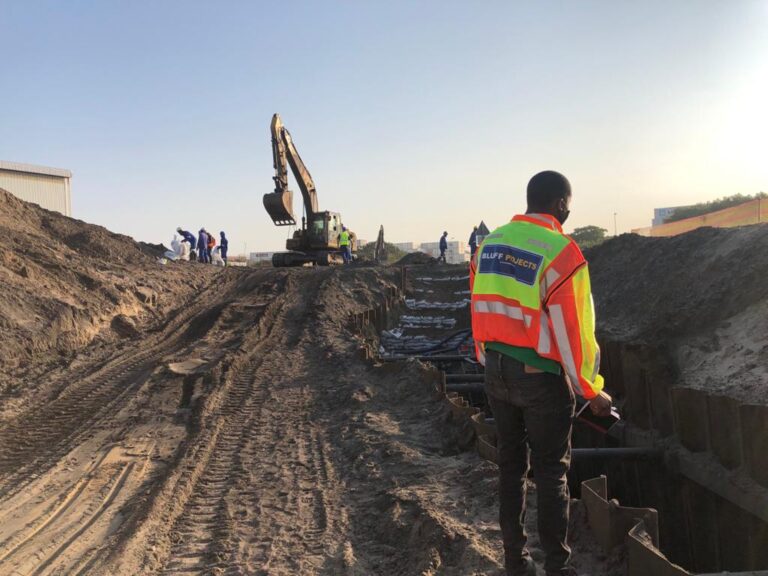
Understanding your capabilities and recognizing when to seek assistance ensures that projects run smoothly without overextending yourself.
Detailed Actions:
- Delegate Tasks: Assign responsibilities to team members based on their strengths and expertise.
- Consult Experts: Bring in professionals for specialized areas like environmental assessments or legal advice.
- Self-Care: Maintain a healthy work-life balance to sustain your effectiveness over the long term.
Key Action: Create a resource list of experts and professionals you can call upon when specialized knowledge or skills are required.
Conclusion
Effective project planning as a CLO involves a multifaceted approach that prioritizes foresight, communication, and active community engagement. By diving deeper into each of these strategies—especially in the South African context—you’ll not only facilitate successful projects but also strengthen the community’s trust and resilience.
Takeaway: Your role is pivotal in bridging the gap between project developers and the community. By proactively addressing concerns such as construction activities and environmental impacts, maintaining open lines of communication through methods like pamphlet distribution, and leveraging the right tools and relationships, you can navigate the complexities of any project. Start implementing these detailed steps tomorrow, and observe the positive impact on both your projects and the community you serve.