From A Christmas Tree To The Shape Of The World
It started with a small question.
I was looking at a Christmas tree and wondered:
Where did this come from?
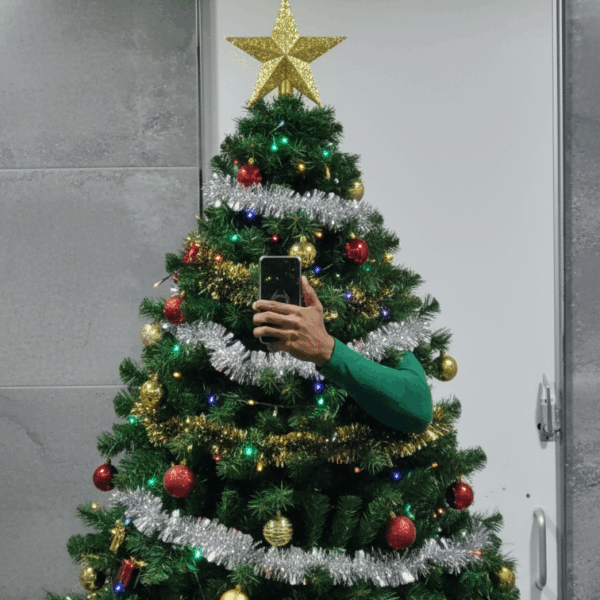
Not the tree itself—but the idea of it. Why do we call it a Christmas tree? Why do we assume it has always existed, as if it simply arrived with time itself?
Trees have existed forever. But the Christmas tree clearly hasn’t. At some point, someone made a decision—cut a tree down, brought it inside their home, and gave it meaning.
That was enough to start a conversation. I started asking questions and learned that long before Christmas, evergreen trees already mattered to people. Germanic and Norse communities used them during winter because they stayed green when everything else died. To them, the evergreen symbolized life surviving death, hope during darkness, and renewal in the coldest time of year. The Romans used greenery during winter festivals, and Celtic traditions also treated evergreens as symbols of protection and continuity.
The tree wasn’t religious at first. It was human.
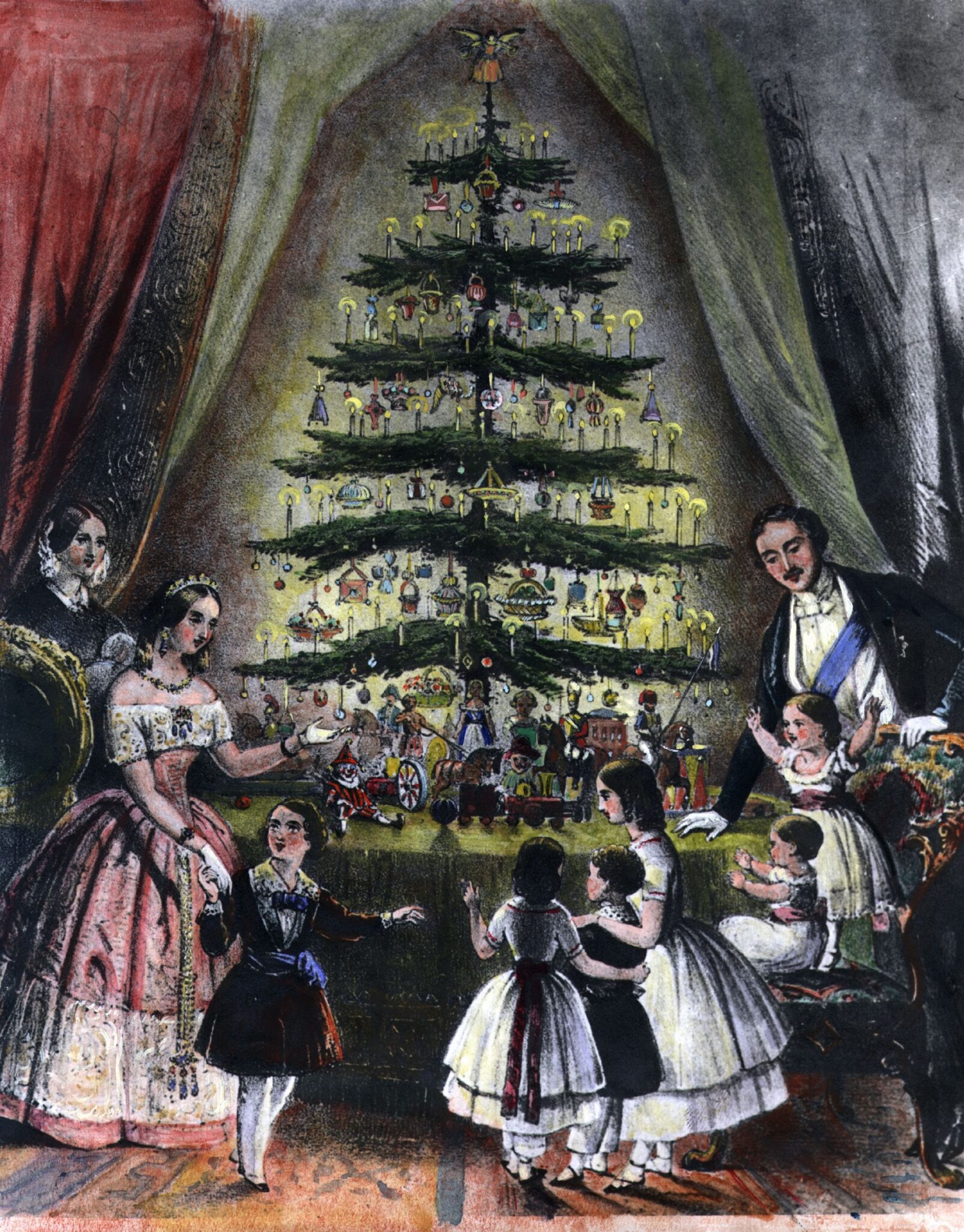
Christianity arrived later, and much later still—around 1,500 years after Jesus was born—the Christmas tree as we recognize it began to take shape in Germany. The meaning shifted. Old symbols were reframed. What once stood for survival through winter became associated with light, birth, and celebration.
From there, the tradition traveled.
It moved from Germany to Britain, where it became fashionable, and then crossed the Atlantic to the United States. And somewhere along the way, something interesting happened: the question stopped being about trees.
It became about how ideas move.
The United States declared independence from Britain in the late 1700s, yet British customs, language, and traditions didn’t disappear overnight. Culture doesn’t reset just because politics changes. Traditions linger. They adapt. They quietly survive revolutions and borders.
Following that thread led to bigger questions—about empires, influence, and how power shifts over time. How Britain’s global reach slowly gave way to American dominance. How language, trade, and shared habits continued long after formal control ended.
And then there’s another layer we can’t ignore.
At some point, the Christmas tree was no longer just a symbol. It became a product.
Capitalism did what it does best: it scaled the tradition. Trees became commodities. Decorations multiplied. The festive season stretched longer each year. What was once about warmth, survival, and human connection slowly turned into a period measured by spending, sales, and pressure. See, this is what capitalism does, it distracts you with nice things… Stop looking at the photo below and please read on!

That doesn’t mean Christmas lost all meaning—but it does mean the meaning changed.
What began as a reminder that life continues through darkness now often feels like an obligation to buy, consume, and perform happiness. The symbol remained. The values shifted.
And that realization brings us back to the original question.
We take so much for granted. We assume things have always existed as they are now. We decorate the tree without asking where it came from. We live inside systems we didn’t design and rarely stop to question.
But all it takes is one honest thought—
Where did this come from?—
to realize the world is layered, human, and far more intentional than it appears.
Curiosity doesn’t always lead where you expect.
Sometimes it starts with a Christmas tree—and ends with a deeper understanding of history, power, and the quiet ways meaning is reshaped over time.
And maybe that curiosity—more than the tree itself—is what’s worth keeping alive.