Effective Communication Strategies For CLO's
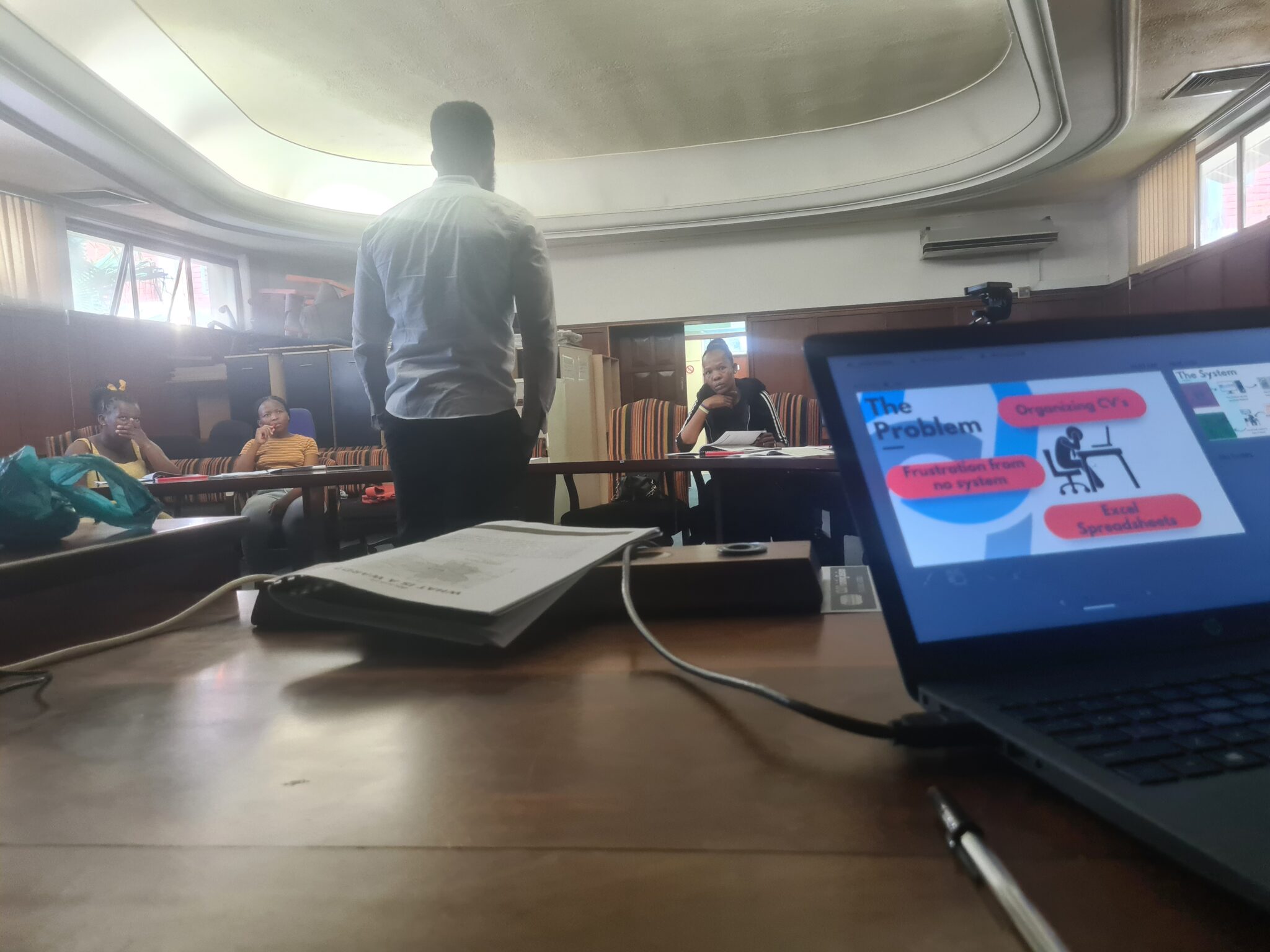
As a Community Liaison Officer (CLO), communication is one of your most powerful tools. The success of your projects and the trust you build within the community depend largely on how well you can convey information, listen to concerns, and resolve conflicts. But communication is more than just talking—it’s about connecting with people, understanding their needs, and ensuring that everyone involved feels heard and respected.
In this post, we’ll explore strategies to help you become a more effective communicator, drawing from both practical techniques and personal experiences. Whether you’re naturally outgoing or have had to work on building your confidence, these strategies can help you develop the skills you need to excel in your role.
The Importance of Clear Communication
Clear and concise communication is essential for a CLO. Whether you’re addressing a group of community members, negotiating with stakeholders, or presenting project updates, your ability to communicate effectively can determine the success of your efforts.
Good communication fosters trust, helps prevent misunderstandings, and ensures that everyone is on the same page. It’s not just about what you say, but how you say it—being clear, direct, and empathetic in your communication can make all the difference.
Active Listening Techniques
Listening is just as important as speaking, if not more so. As a CLO, your role often involves mediating between different groups, each with their own concerns and priorities. Active listening means fully engaging with the speaker, understanding their message, and responding thoughtfully.
Here are some techniques for active listening:
- Give your full attention: Focus on the speaker without distractions. Make eye contact, nod, and use body language that shows you’re engaged.
- Reflect and clarify: Summarize what the speaker has said to ensure you understand correctly. Ask clarifying questions if needed.
- Acknowledge emotions: Recognize the emotions behind the words. This helps build rapport and shows empathy.
By actively listening, you not only gain a deeper understanding of the issues but also show respect for the speaker, which can go a long way in building trust.
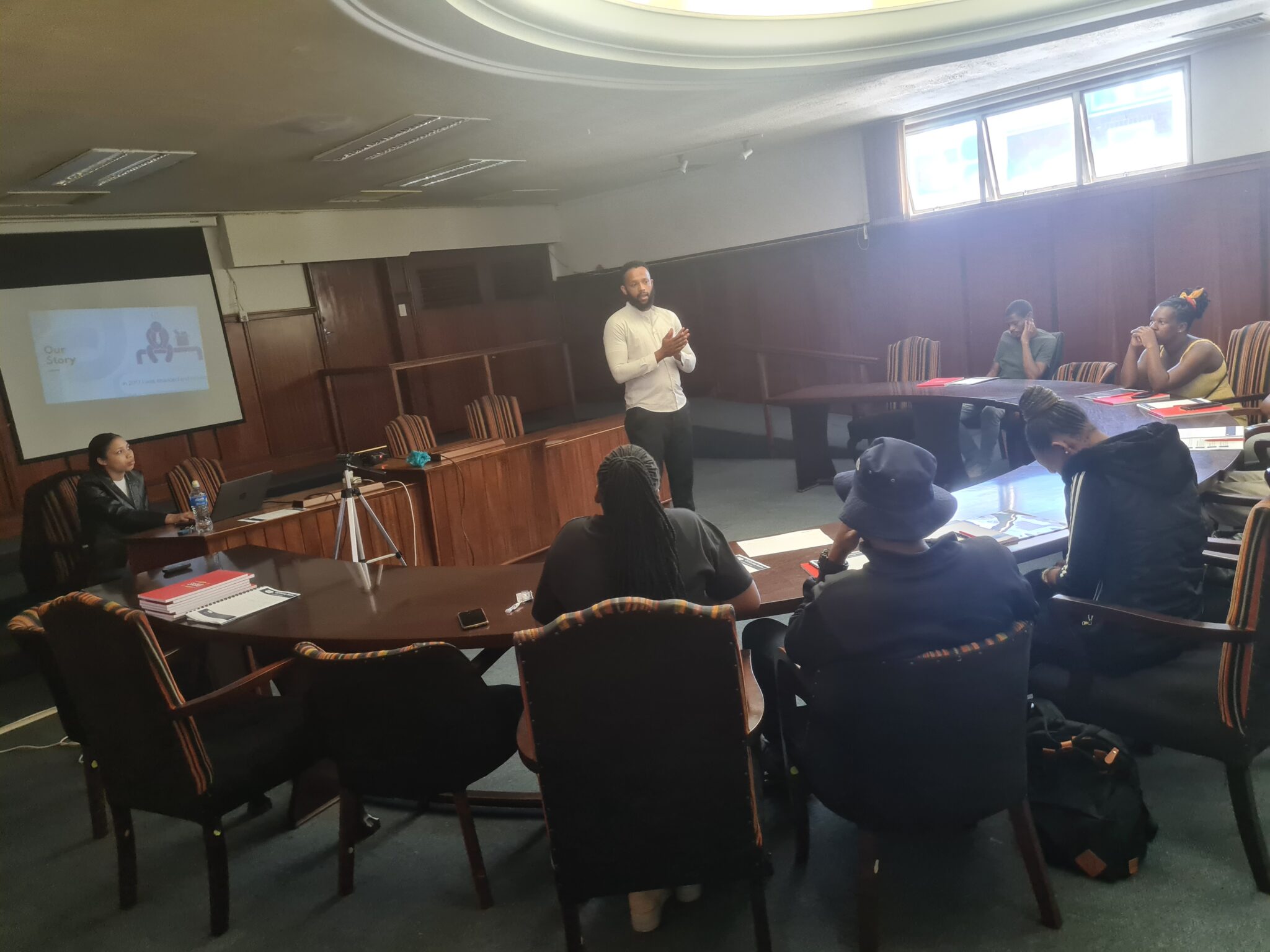
Communicating with Diverse Audiences
As a CLO, you’ll interact with a wide range of people, from community members to government officials, contractors, and other stakeholders. Each of these groups may require a different communication approach.
- Adapt your style: Tailor your communication to suit your audience. For example, when speaking to community members, use language that’s easy to understand and avoid technical jargon. When addressing officials or contractors, you may need to be more formal and precise.
- Cultural sensitivity: Be mindful of cultural differences and norms. Understanding and respecting these can help you communicate more effectively and avoid misunderstandings.
Public Speaking and Presentation Skills
Public speaking can be daunting, especially if you’re not used to it. But as a CLO, it’s an essential skill that you’ll need to develop. Whether you’re leading a community meeting or presenting at a public forum, your ability to speak confidently and clearly is crucial.
Tools to Build Confidence in Public Speaking:
- Speakeasy Groups and Focus Groups: Consider joining or creating a “speakeasy” group or a focus group where you can practice speaking in front of others. These settings provide a supportive environment where you can receive constructive feedback and gradually build your confidence.
- Church Groups and Networking Events: Church groups, local clubs, and other networking places offer a comfortable space where you can practice speaking to people. These environments are often more relaxed, making it easier to gain confidence in your communication skills.
- Take Every Opportunity to Speak: One of the best ways to improve your communication skills is by taking every opportunity to speak. Whether it’s at a community event, a small gathering, or even a casual conversation, practice speaking up. The more you do it, the more comfortable you’ll become.
Personal Insight: I used to be very shy and found it difficult to speak to people. Over time, I realized that there’s a method to becoming comfortable with talking to others. For me, it was about gradually pushing myself to take on more speaking opportunities, even when it felt uncomfortable. The more I practiced, the easier it became. If you’re struggling with shyness or anxiety about speaking, remember that it’s a skill that can be developed with time and practice.
Becoming an Activist in Your Community
Being an effective CLO often means going above and beyond your official duties. Becoming an activist in your community helps you establish yourself as a central node of communication—a person whom others can rely on for information and support.
- Join Community Groups: Be proactive in joining as many WhatsApp and Facebook groups as possible. These platforms are invaluable for staying connected with the community, sharing updates, and gathering feedback.
- Make Yourself Visible: Attend community events, introduce yourself to people, and make it known that you’re there to listen and help. The more visible you are, the more people will trust you as a reliable source of information.
- Keep Your Finger on the Pulse: Stay engaged with what’s happening in your community. This means not just listening but actively participating in discussions, asking questions, and showing a genuine interest in people’s lives.
Socializing as a Key to Success:
- Go Out and Meet People: Make it a habit to visit local bars, restaurants, and other social venues where you can meet people in your community. Introduce yourself, ask questions, and be genuinely interested in their lives. People are often willing to share a lot when they feel someone is truly listening.
- Be Approachable and Engaged: Your role as a CLO is about being in touch with the community. The more you socialize and build connections, the better you’ll be at your job. It’s not just about fulfilling your duties but about being a part of the community and understanding its needs from within.
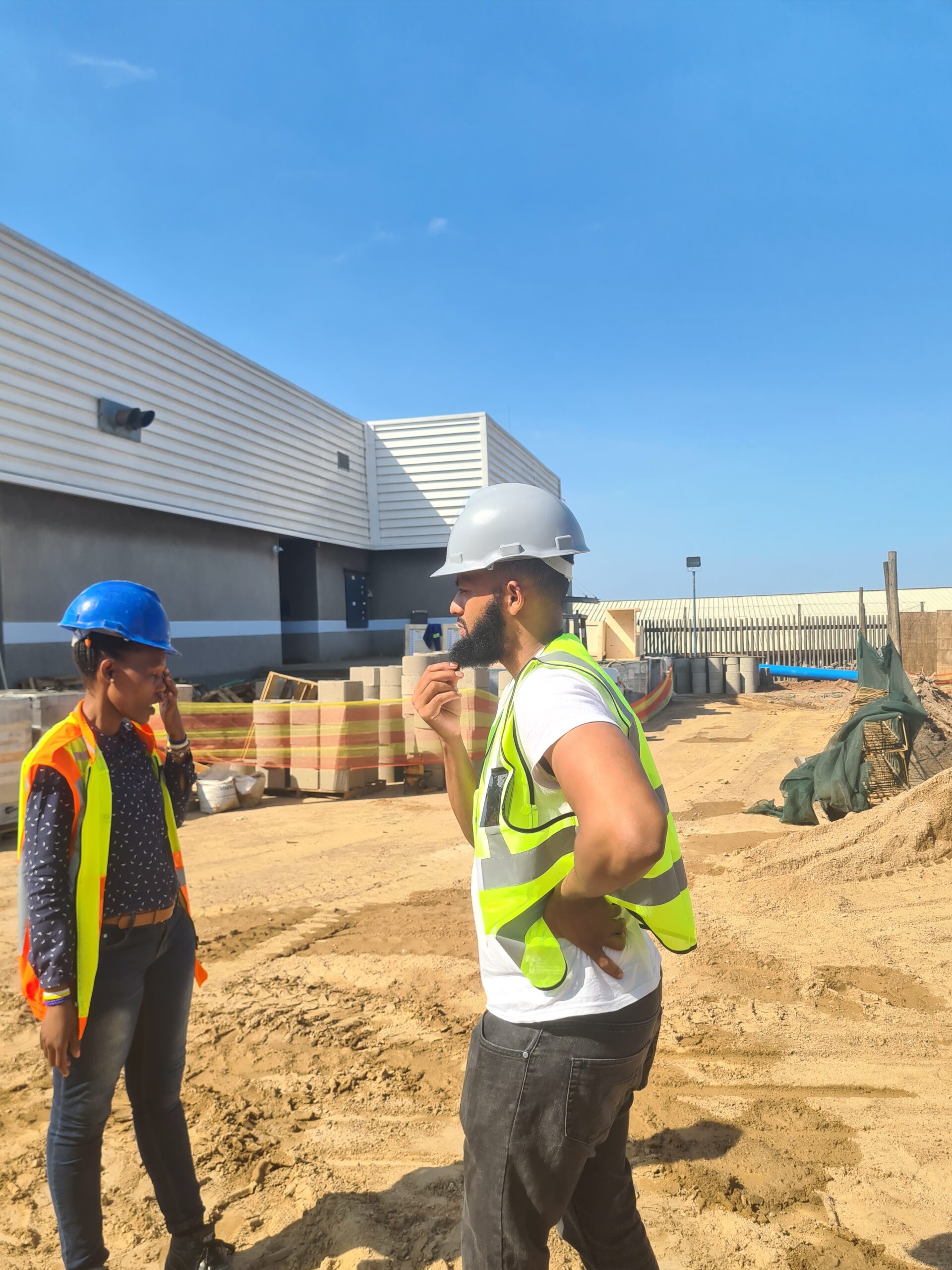
Managing Conflict through Communication
Conflicts are inevitable, but how you handle them can make all the difference. Effective communication is key to resolving disputes and finding common ground.
- Stay calm and composed: In heated situations, your ability to remain calm can help defuse tension. Speak slowly, choose your words carefully, and avoid escalating the conflict.
- Seek to understand: Before jumping to conclusions, take the time to understand all perspectives involved. This will help you find a resolution that considers everyone’s interests.
- Negotiate and find common ground: Use your communication skills to negotiate and mediate. Aim for solutions that satisfy all parties as much as possible.
Role Play and Mock Situations for Practice
It’s not enough to just learn about communication techniques—you need to practice them in a safe and supportive environment. Role-playing and mock situations can be incredibly effective for this.
- Role Play Scenarios: Gather a group of fellow CLOs or colleagues and role-play different scenarios. For example, practice mediating a conflict between community members or presenting a project update to a skeptical audience. This practice will help you refine your skills and gain confidence.
- Collaborate with Other CLOs: Take the initiative to reach out to other CLOs in your community or neighboring areas. By coming together, you can share experiences, learn from each other, and practice communication strategies. This collaboration is particularly helpful if access to formal resources is limited.
Using Digital Communication Tools
In today’s digital age, communication isn’t just about face-to-face interactions. Digital tools like social media, email, and messaging apps play a significant role in keeping the community informed and engaged.
- Leverage social media: Platforms like Facebook or WhatsApp can be powerful tools for sharing updates and gathering feedback. Ensure that your messaging is clear and consistent across all channels.
- Email and newsletters: Regular email updates or newsletters can help keep stakeholders informed about project progress and any upcoming events or meetings.
Documentation and Follow-Up
Effective communication doesn’t end when the conversation does. Documenting your communications and following up on commitments is crucial for maintaining trust and accountability.
- Keep records: Document important discussions, agreements, and any decisions made. This not only provides a record of what was discussed but also helps ensure that all parties are on the same page.
- Follow through: If you’ve committed to taking action or providing further information, make sure you follow through. Consistent follow-up builds trust and shows that you take your responsibilities seriously.
Building Relationships through Communication
Consistent and transparent communication is key to building strong relationships with the community and stakeholders. By keeping the lines of communication open, you create an environment of trust and cooperation.
- Be approachable: Make it clear that you’re available to listen to concerns and answer questions. This approach-ability goes a long way in building rapport.
- Maintain transparency: Be honest and transparent in your communications, even when delivering difficult news. People are more likely to trust you if they feel you’re being upfront with them.
Conclusion
Becoming an effective communicator as a CLO takes time and practice, but it’s a skill that can be developed. By actively listening, adapting your communication style to suit different audiences, and continuously seeking opportunities to practice and improve, you can become a more confident and effective communicator.
Remember, communication is at the heart of what you do as a CLO. It’s not just about conveying information—it’s about building relationships, resolving conflicts, and fostering a sense of trust and cooperation within the community. Take every opportunity to speak, practice in supportive environments, and collaborate with others to continue developing your skills. The impact you can make through effective communication is immense.