Do we really want to live this way?
The cost of what could have been
We often hear about people being robbed, defrauded, threatened or murdered in South Africa. We hear about businesses being extorted and people being pushed out of industries through corruption, favouritism, collusion and political interference.
Depending on our sensitivities, we may express outrage, discuss it with friends or share something on social media. Eventually, we move on with our lives.
But what happens to those people after the rest of us have moved on?
One of the lives lost that has particularly saddened me is that of Warrick Stock, better known as DJ Warras. He was someone I looked up to. I appreciated how outspoken he was about South Africa and the issues affecting our society. I think many South Africans of my generation could relate to him.
Beyond his public persona, he was a father, a businessman and someone his family depended on. He still had so much life ahead of him. While the rest of us have had to come to terms with the loss of someone we admired, his family has had to learn how to live without him.
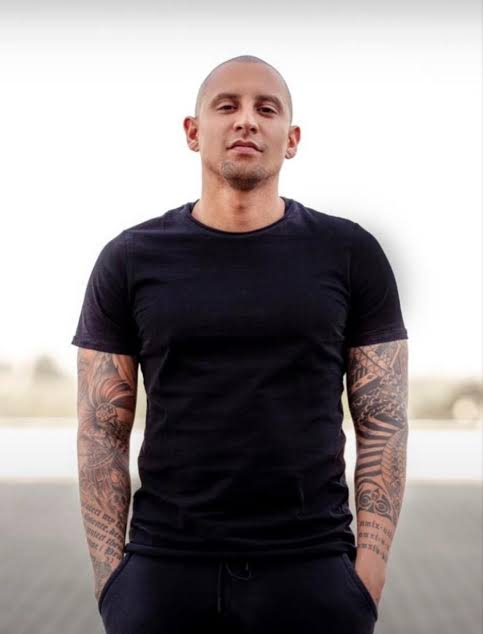
The event itself may occupy a single day in the news cycle, but its aftermath can consume decades of someone's life.
Just three months in South Africa
1 July – 30 September 2026 · 92 days
| Murders | 5,590 |
|---|---|
| Robberies with aggravating circumstances | 28,511 |
| Commercial crimes | 37,478 |
| Robberies at non-residential premises | 2,827 |
On average, one recorded murder every
23 minutes 42 seconds60.8 per day · 2.53 per hour
A decade of lost lives
April 2016 – March 2026
229,755Cumulative recorded murders (provisional total)
Annual figures and sources
| 2016/17 | 19,016 |
|---|---|
| 2017/18 | 20,336 |
| 2018/19 | 21,022 |
| 2019/20 | 21,325 |
| 2020/21 | 19,972 |
| 2021/22 | 25,181 |
| 2022/23 | 27,494 |
| 2023/24 | 27,621 |
| 2024/25 | 24,692 |
| 2025/26 | 23,096 |
2025/26 calculated from four published quarterly releases, subject to annual reconciliation. Annual report · Quarterly release
Nearly a quarter of a million recorded murders in ten years. And that is just one category of crime. Think about how many of those people were parents, breadwinners, business owners, skilled workers or young people still trying to figure out what they wanted to do with their lives.
We can count the lives lost, but how do we account for the lives left behind?
The cost of what could have been
There is a concept in economics called opportunity cost. Simply put, it is the value of what you give up when you make one decision instead of another.
Imagine spending fifteen years developing skills, building relationships and establishing yourself in an industry, only to be forced out of it because of someone else's greed. You now spend the next five years learning new skills, finding employment and trying to recover financially.
What could you have accomplished in those five years had none of this happened? Perhaps you would have expanded your business, employed more people, built something useful or passed your knowledge on to someone younger. Instead, those years are spent trying to get back to where you once were.
We constantly talk about the skills we need, the businesses we need to establish and the jobs we need to create, yet we seldom consider how much of our existing talent and expertise we are destroying.
We can put a figure on the money stolen through corruption, but how do we put a figure on the things that never came to be because of it?
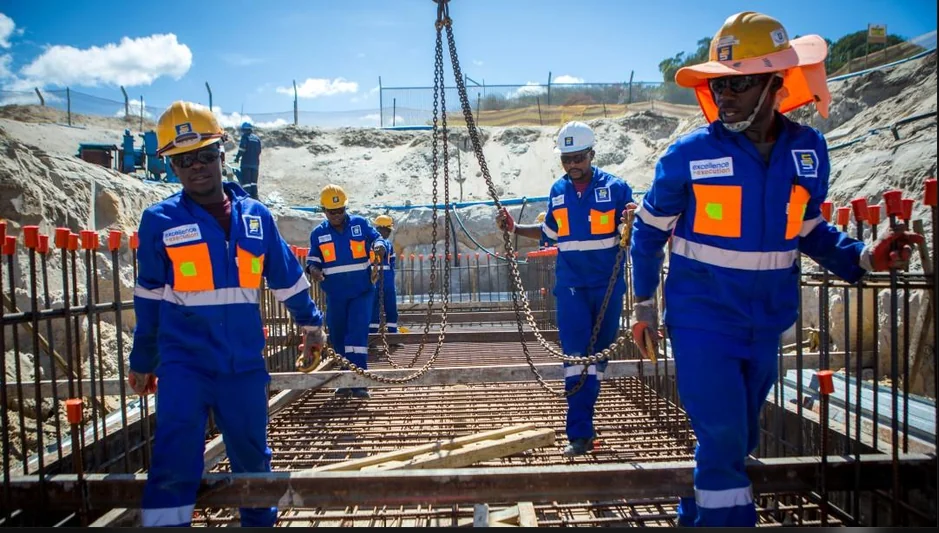
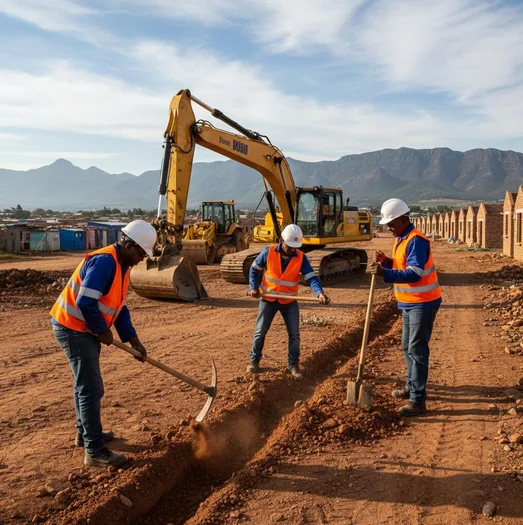
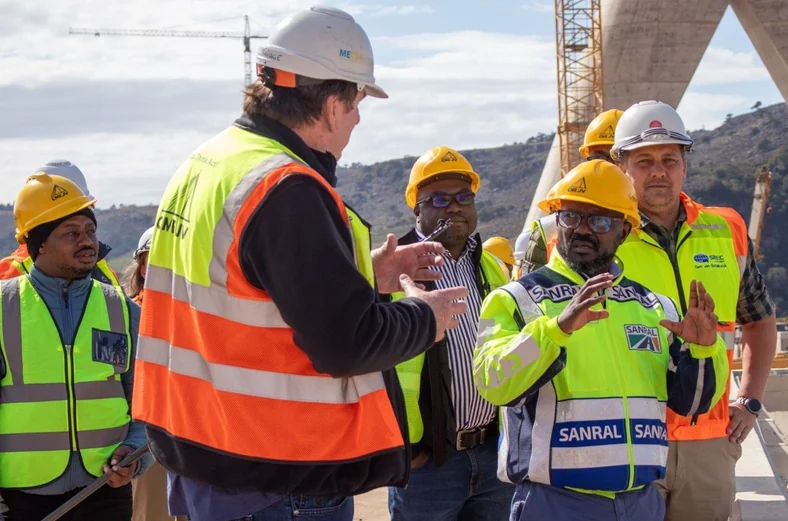
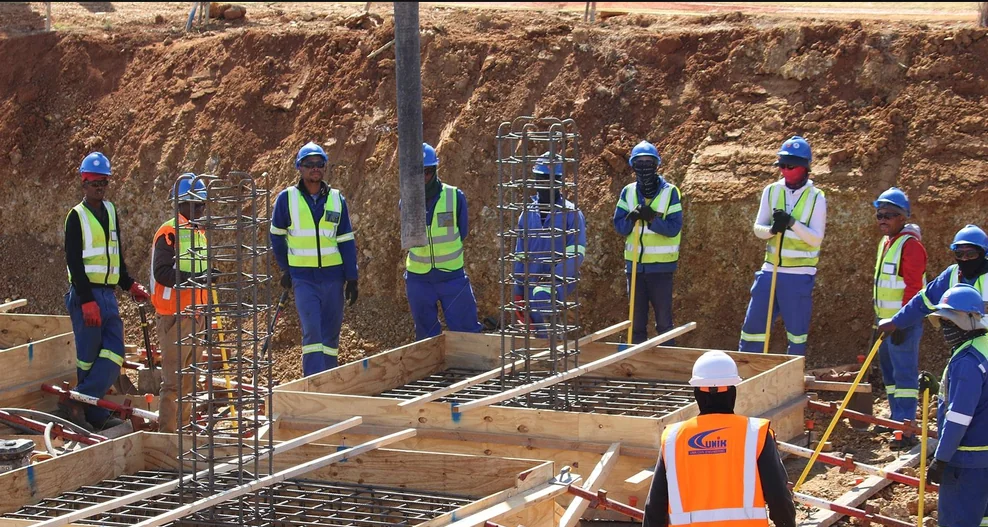
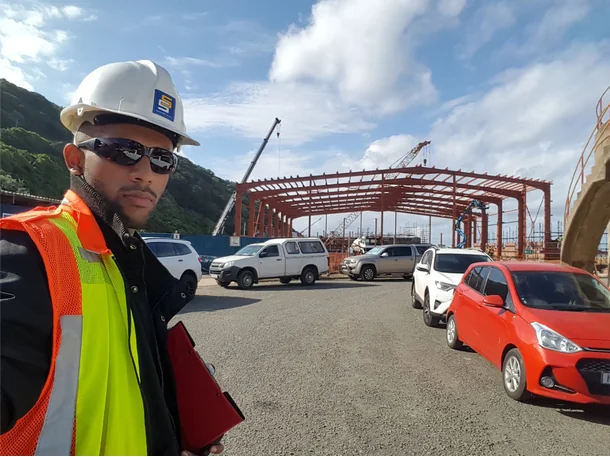
The skills, experience and relationships we build over the course of our working lives have a value that extends far beyond our own livelihoods.
Are we too proud of our resilience?
South Africans take considerable pride in their resilience, their ability to make a plan and carry on despite their circumstances. But I sometimes wonder whether we have become so proud of our resilience that we have stopped questioning why we need so much of it in the first place.
There is a difference between overcoming the ordinary difficulties of life and spending years recovering from something that someone else deliberately did to you.
There are sleepless nights, strained relationships, lost confidence and the uncertainty of not knowing what your future looks like. What happens to a society when people begin to question whether being honest, working hard and doing things properly is worth it at all?
We should not celebrate people's ability to survive injustice while doing so little to address the injustice itself.
What remains possible
Even after terrible loss, people still rebuild, learn new things and find ways to contribute. Through my own experiences, I have come to appreciate how valuable the ability to learn and adapt can be when life takes you in an unexpected direction.
There is something hopeful in that. But imagine what we could accomplish if our resourcefulness, intelligence and resilience were directed towards progress rather than recovery.
Many of us have spent hours watching the proceedings of the Madlanga Commission, following court cases and listening to the allegations and revelations that dominate our news.
These faces have become familiar to us. But beyond the personalities, the allegations and the daily headlines, there is a much more important question about the kind of society all of this leaves us with.
Faces in the headlines
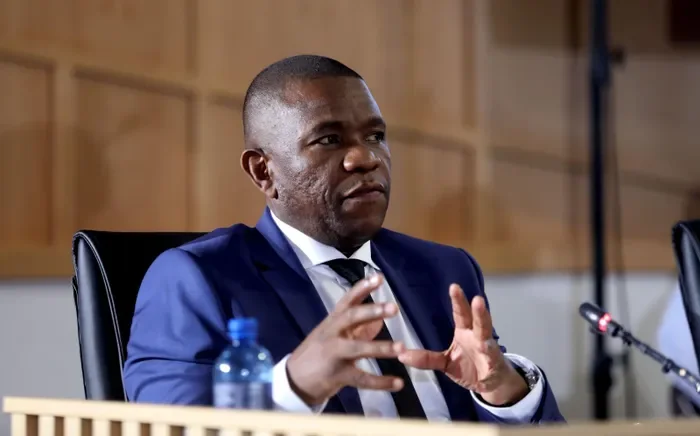
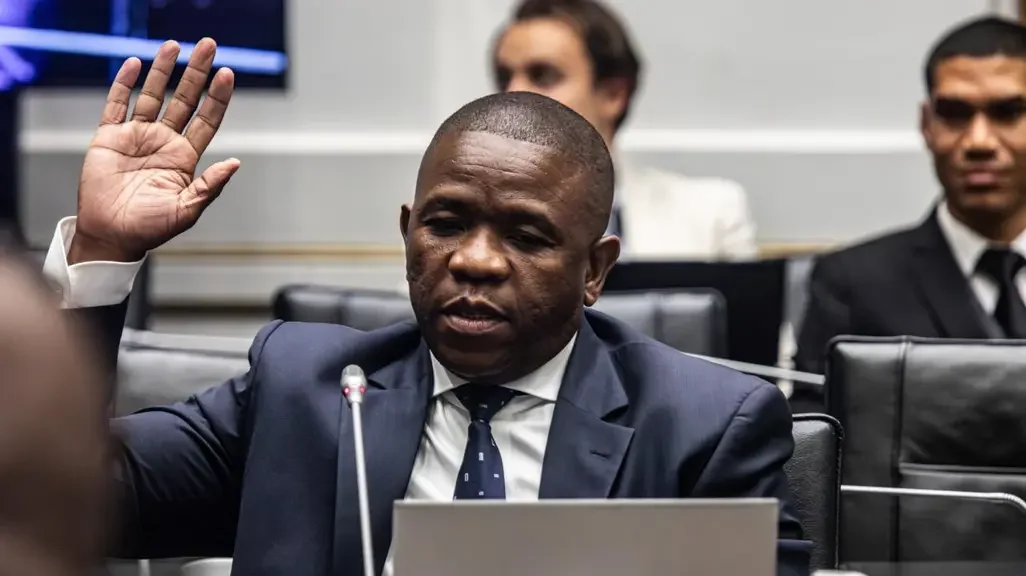
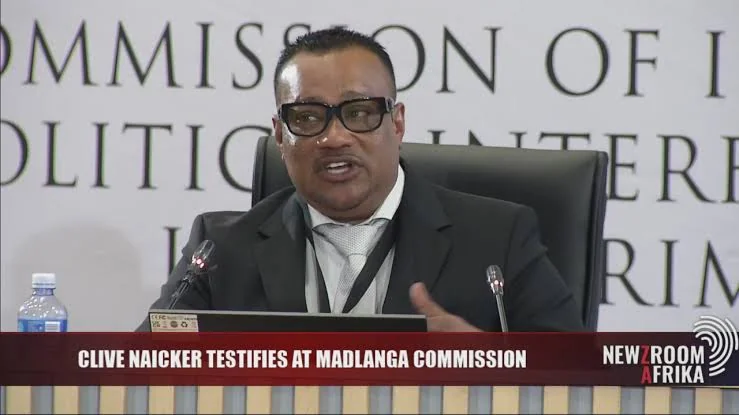
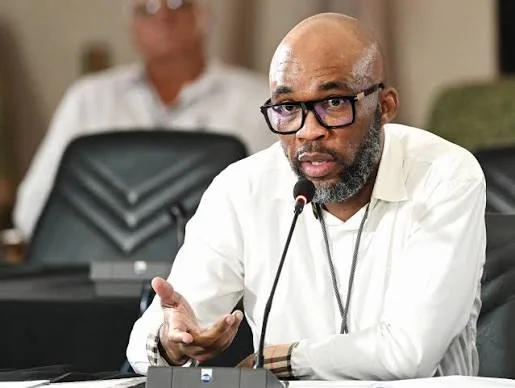
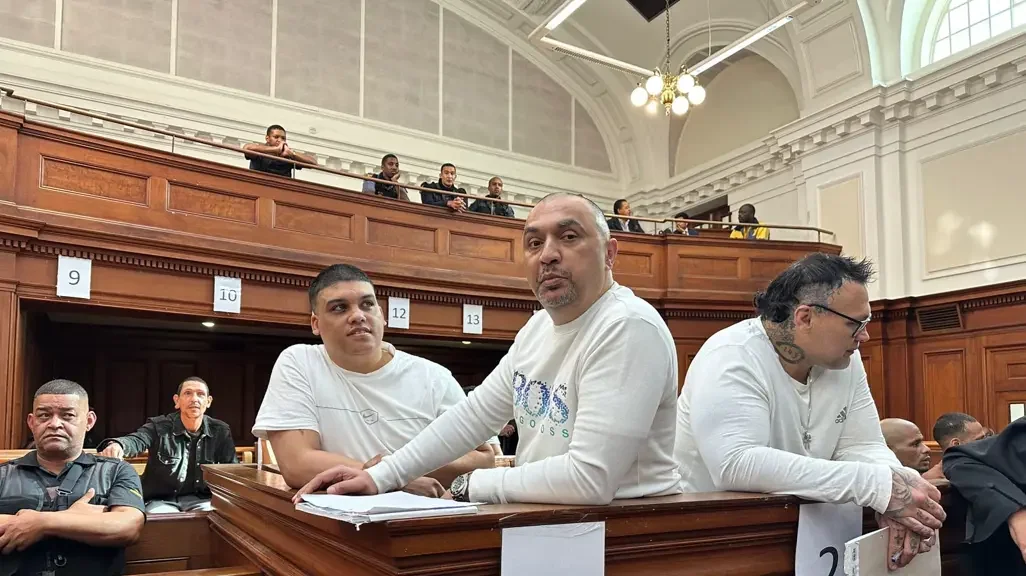
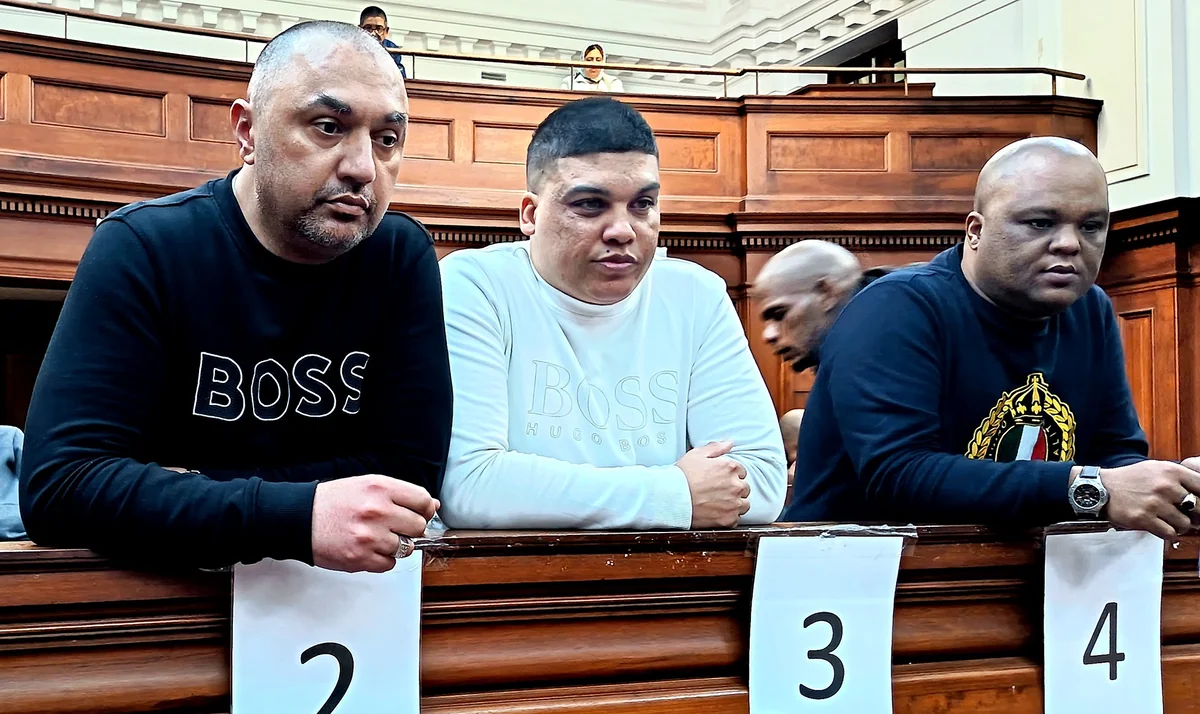
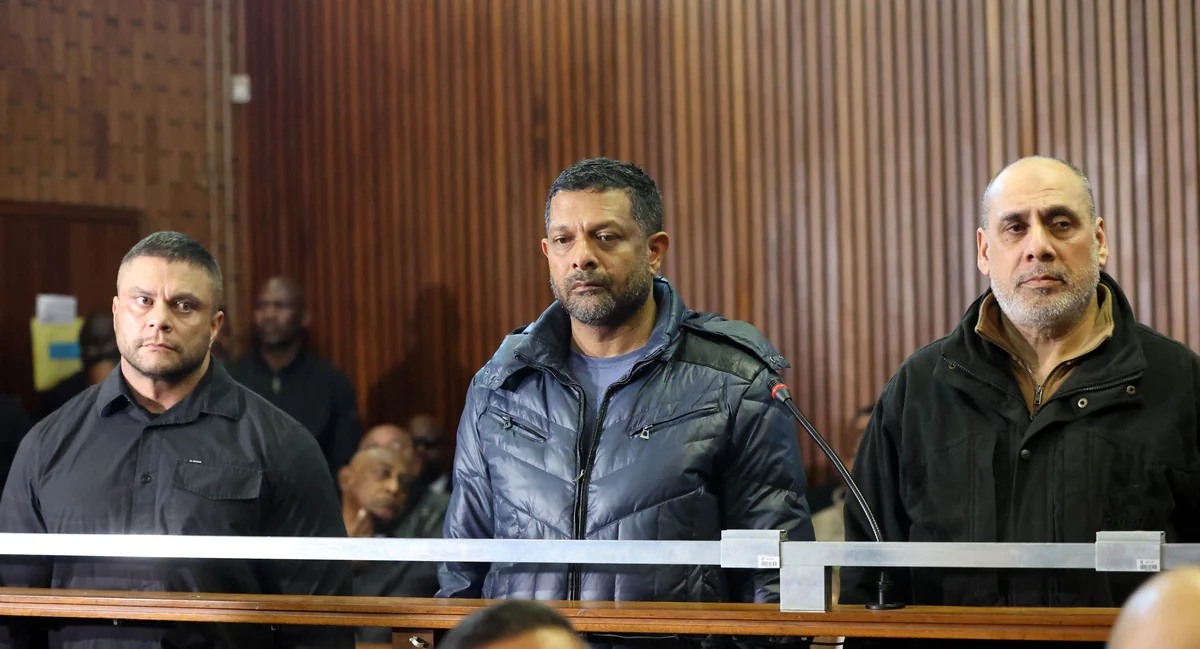
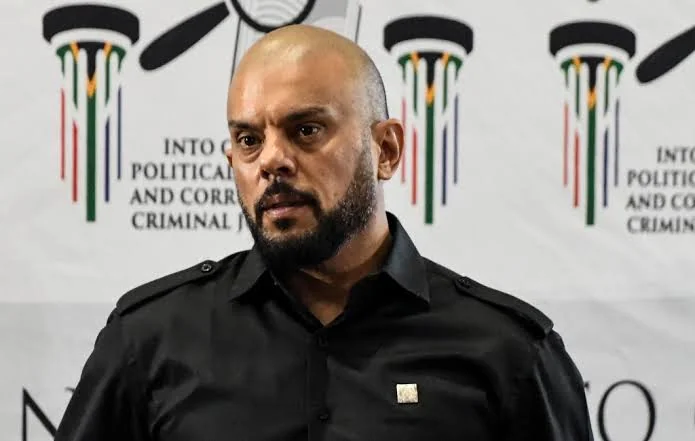
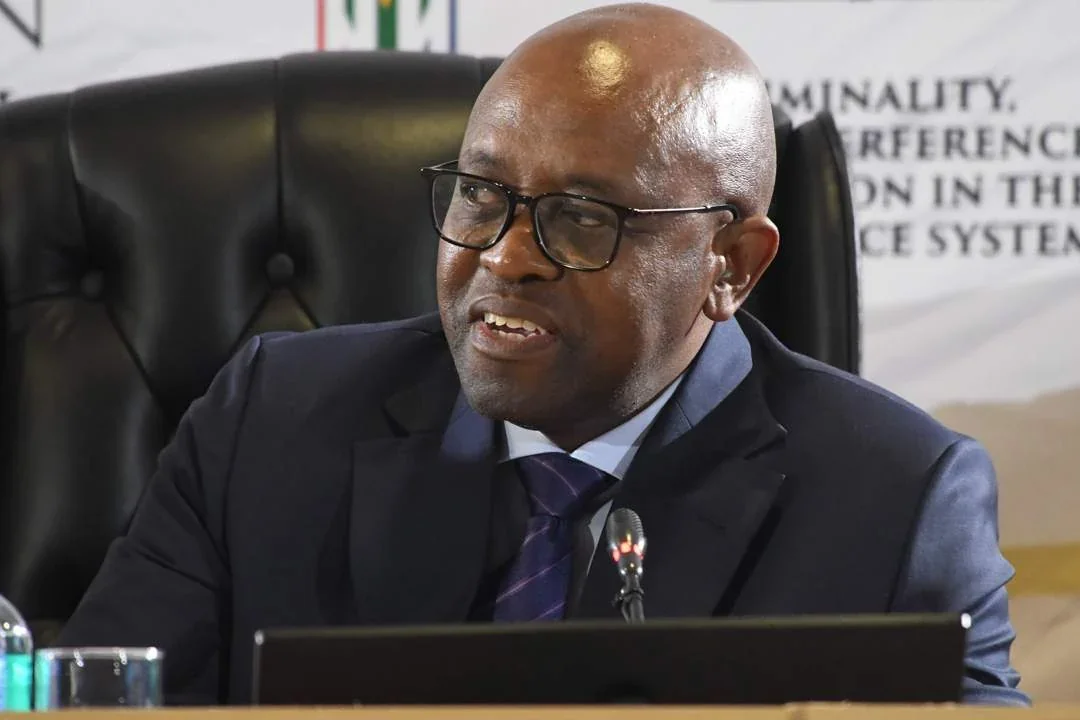
Photographs from commission proceedings and related media and court coverage. Inclusion does not imply criminal wrongdoing.
Do we really want to live this way?
We cannot continue accepting the way things are simply because that is the way they have become.
We spend an extraordinary amount of time talking about our problems, entertaining ourselves with political shenanigans, debating personalities and listening to the same promises being made over and over again, without demanding effectiveness from those entrusted with governing our society.
Meanwhile, people continue to lose their livelihoods, families continue to suffer, and years of accumulated human potential continue to go to waste.
The persistence of a problem does not make it inevitable, nor does our familiarity with it make it acceptable.
The true cost of corruption is not merely what has been stolen from us. It is the lives we might otherwise have lived, the people we might otherwise have become, and the society we might otherwise have built.
We need to look at ourselves as South Africans and ask the question:
Do we really want to live this way?
Sources and references
Crime statistics
- SAPS — July to September 2026 crime statistics
- SAPS — Annual crime statistics through March 2025
- SAPS — Quarterly crime statistics archive
- 2025/26 — First quarter
- 2025/26 — Second quarter
- 2025/26 — Third quarter
- 2025/26 — Fourth quarter
The ten-year cumulative figure is calculated from published SAPS annual and quarterly statistics. Daily and hourly figures are arithmetic averages over the 92-day reporting period.
Remembering DJ Warras
- SABC News — Stock family tribute
- Eyewitness News — Warrick Stock remembered as a devoted father
- Department of Sport, Arts and Culture — Condolences
Madlanga Commission
Editorial illustration
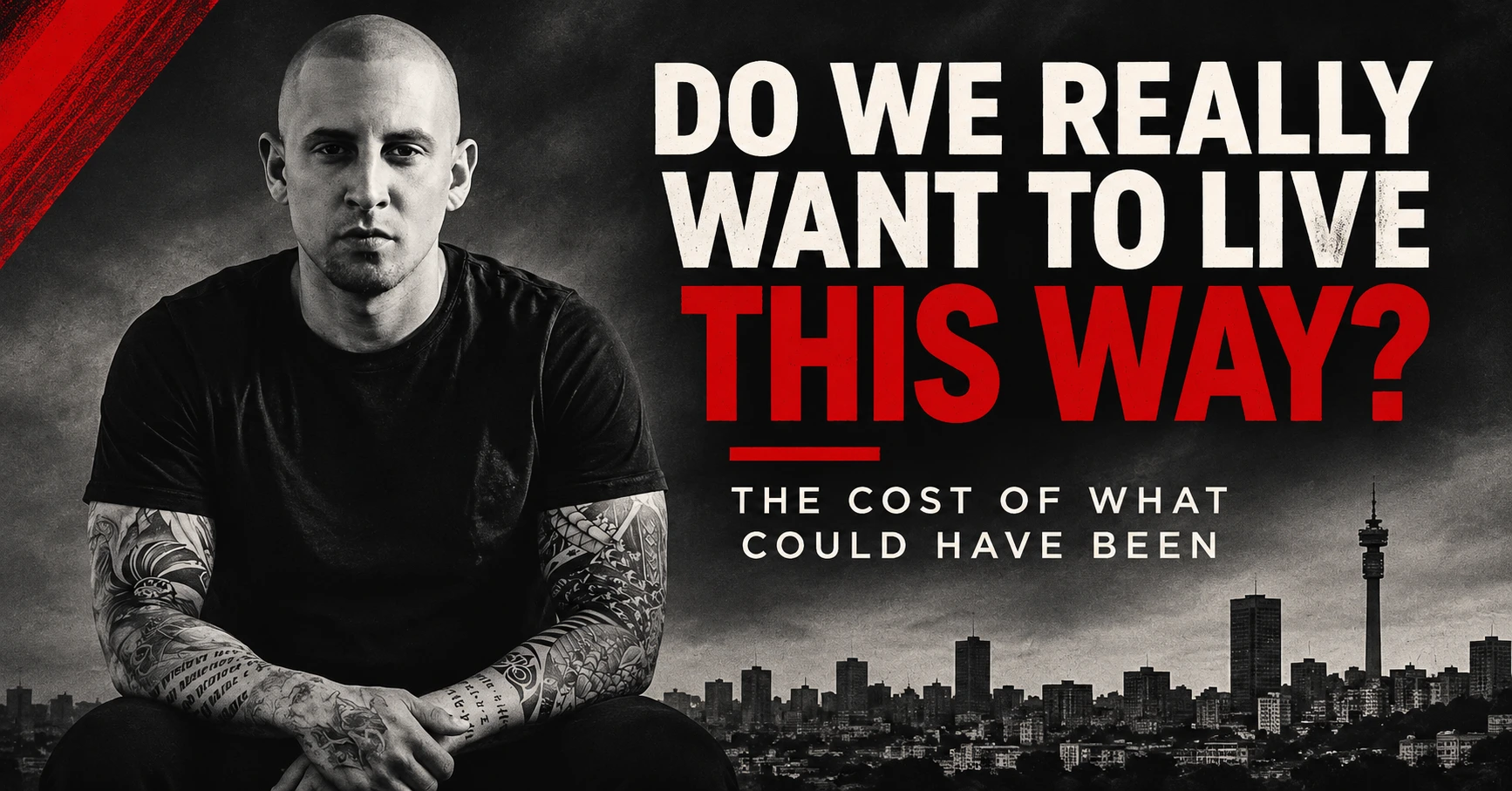
The featured image is an AI-assisted editorial illustration based on a reference photograph of Warrick Stock. It is not an unaltered documentary photograph.